Acrylic Coatings for Metal and Budget-Conscious Roofs in Laredo
A coating recommendation starts with adhesion, moisture, drainage, membrane condition, detail preparation, and warranty eligibility, not every existing roof is a restoration candidate. Acrylic roof coatings cost less than silicone and work well on the right roof, particularly metal roofs and lower-slope surfaces without a significant ponding water problem, which makes them a common recommendation for smaller retail and commercial buildings across Laredo watching the budget on a recoat project.
Where Acrylic Performs Well
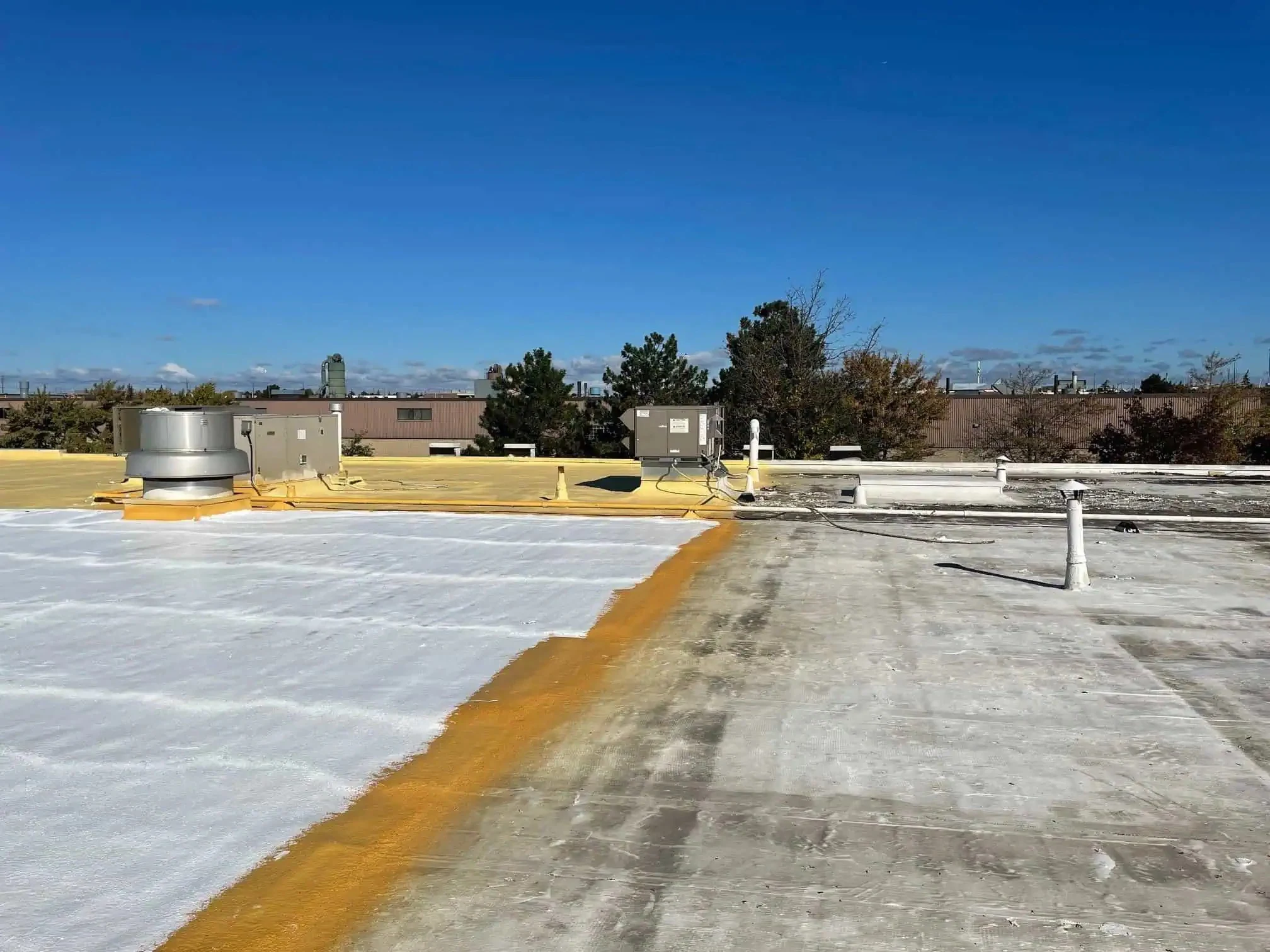
Acrylic coatings adhere well to metal roofing, both standing seam and R-panel systems, and restore reflectivity to a faded or chalking factory finish at a lower material cost than silicone. On the smaller retail strips and flex-space buildings scattered through Laredo's commercial corridors, that cost difference often makes acrylic the more practical choice when the roof does not have a chronic ponding issue.
Acrylic also bonds well to properly prepared single-ply and modified bitumen substrates, giving those roofs a reflective, UV-resistant surface at a lower price point than a full silicone system, provided the roof drains adequately.
A lot of the small retail buildings we see along San Bernardo Avenue and the older strip centers near downtown fit this profile well: modest roof size, steady but not heavy foot traffic, and an owner who wants to extend the roof's life a real number of years without financing a full recoat at silicone pricing. On those buildings, acrylic is often the coating that matches both the roof condition and the budget the owner actually has.
The Ponding Water Limitation
Acrylic's main weakness compared to silicone is water resistance in areas of standing water. A roof with any meaningful low spots or drainage issues will stress an acrylic coating faster than it would a silicone one, since acrylic can soften or lose adhesion under prolonged water contact.
We check drainage and slope carefully before recommending acrylic. On a roof with good positive drainage and no chronic ponding, acrylic performs reliably; on a marginal-slope roof with wet spots after every storm, we steer the conversation toward silicone instead, even at the higher material cost.
Recoat Cycles and Long-Term Cost
Acrylic coatings typically need recoating on a shorter interval than silicone, which factors into the real long-term cost comparison between the two systems. A lower upfront cost with a shorter recoat cycle can end up costing about the same as a silicone system over the roof's full service life, depending on how the building owner values near-term budget versus long-term maintenance planning.
We lay out both scenarios when a building qualifies for either coating type, rather than defaulting to the cheaper option without explaining the maintenance schedule that comes with it.
Where We Recommend Acrylic Most Often
Metal roofs with faded or chalking finishes and good drainage are the clearest fit. Smaller retail, flex-space, and office buildings on a tighter maintenance budget also do well with acrylic when the roof's slope and drainage support it.
We are more cautious recommending acrylic on the metro's larger flat warehouse and distribution roofs, where marginal slope and the volume of water a summer storm can dump make ponding a more persistent risk than it is on a smaller, better-drained building.
Government and school buildings with metal roofing on gymnasiums or annex structures also come up often. Those buildings tend to have a fixed annual maintenance budget rather than a capital improvement fund set aside for roofing, and a properly scoped acrylic recoat fits that kind of planned, recurring maintenance cycle better than a bigger one-time expense would.
- Metal roofs with faded or chalking factory finishes and adequate drainage
- Smaller retail and flex-space buildings on a tighter maintenance budget
- Single-ply and modified bitumen roofs with good positive slope
- Roofs due for routine recoat maintenance on a planned cycle
- Buildings prioritizing lower upfront cost over longer recoat intervals
Preparation Still Determines the Outcome
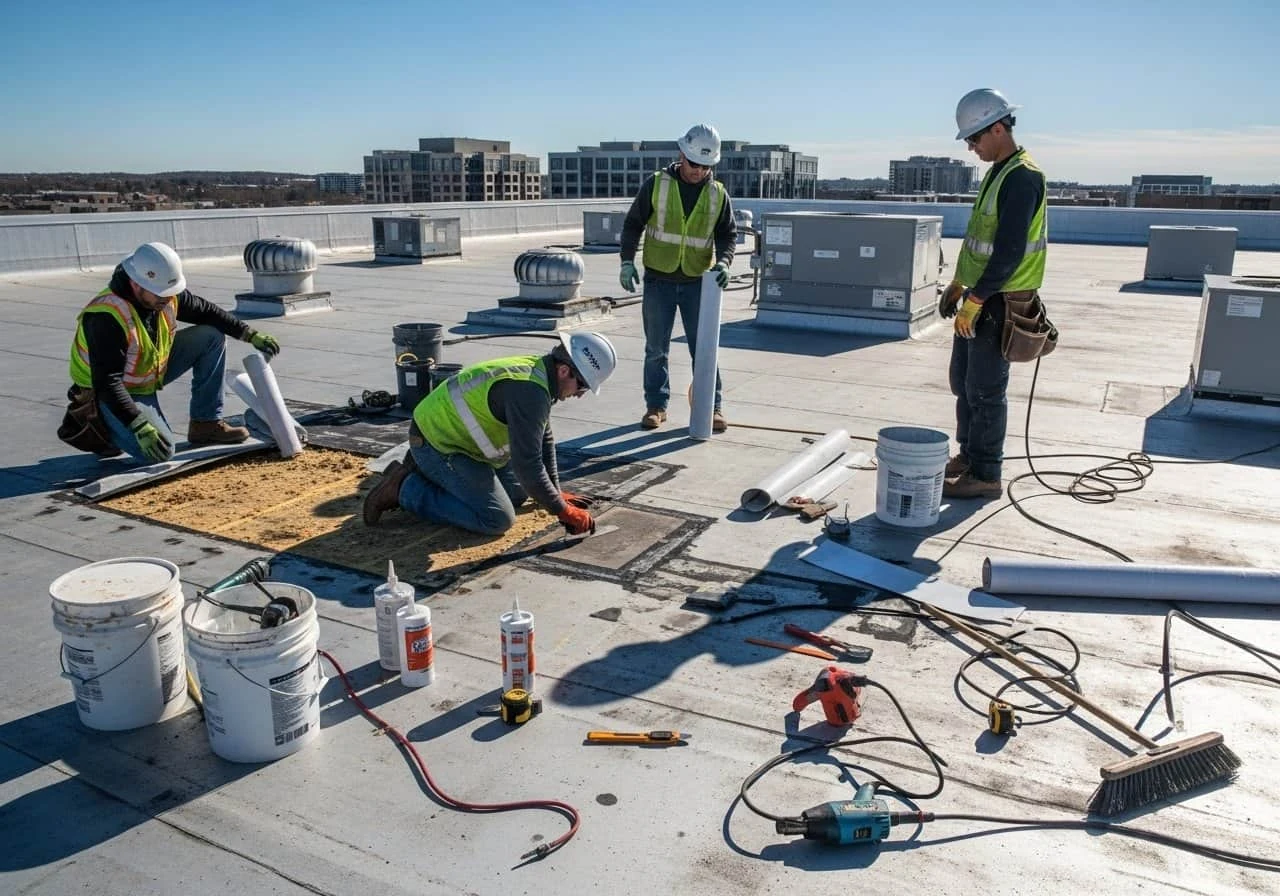
The same preparation standards that apply to silicone apply to acrylic: pressure washing, seam and flashing repair, and priming where the substrate calls for it. Skipping prep to save cost on an already budget-focused coating job tends to produce the shortest-lived results of any roofing decision we see.
We test for trapped moisture before applying acrylic just as we would with silicone, since coating over a wet substrate produces the same sealed-in problem regardless of which coating chemistry sits on top.
Weather timing matters for the application itself, as much as the substrate does. Acrylic needs a dry cure window without rain, and Laredo's summer thunderstorms can build quickly on an afternoon that started clear. We watch the forecast closely and stage a coating project around the driest stretch available rather than starting a section that a surprise storm could wash out before it cures.
Acrylic Coating Questions From Laredo Owners
Is acrylic a good fit for a warehouse roof?
Sometimes, if drainage is solid and ponding is not a chronic issue. On roofs with marginal slope, we typically recommend silicone instead for its better standing-water resistance.
How often does an acrylic-coated roof need recoating?
Generally more often than a silicone system, which is a factor worth weighing against acrylic's lower upfront material cost.
Does acrylic work well on metal roofs?
Yes, acrylic adheres well to metal and restores reflectivity to a faded finish at a lower cost than silicone, making it a common choice for standing seam and R-panel roofs.
What happens if acrylic is applied over standing water areas?
It tends to soften or lose adhesion faster than silicone would in the same conditions, which is why we check drainage carefully before recommending it.
Is acrylic cheaper than silicone overall?
The material cost is lower, but shorter recoat cycles can close some of that gap over the roof's full service life, so we walk through both scenarios before recommending either.