Full Reroof Projects for Laredo's Cross-Dock and Cold-Storage Buildings
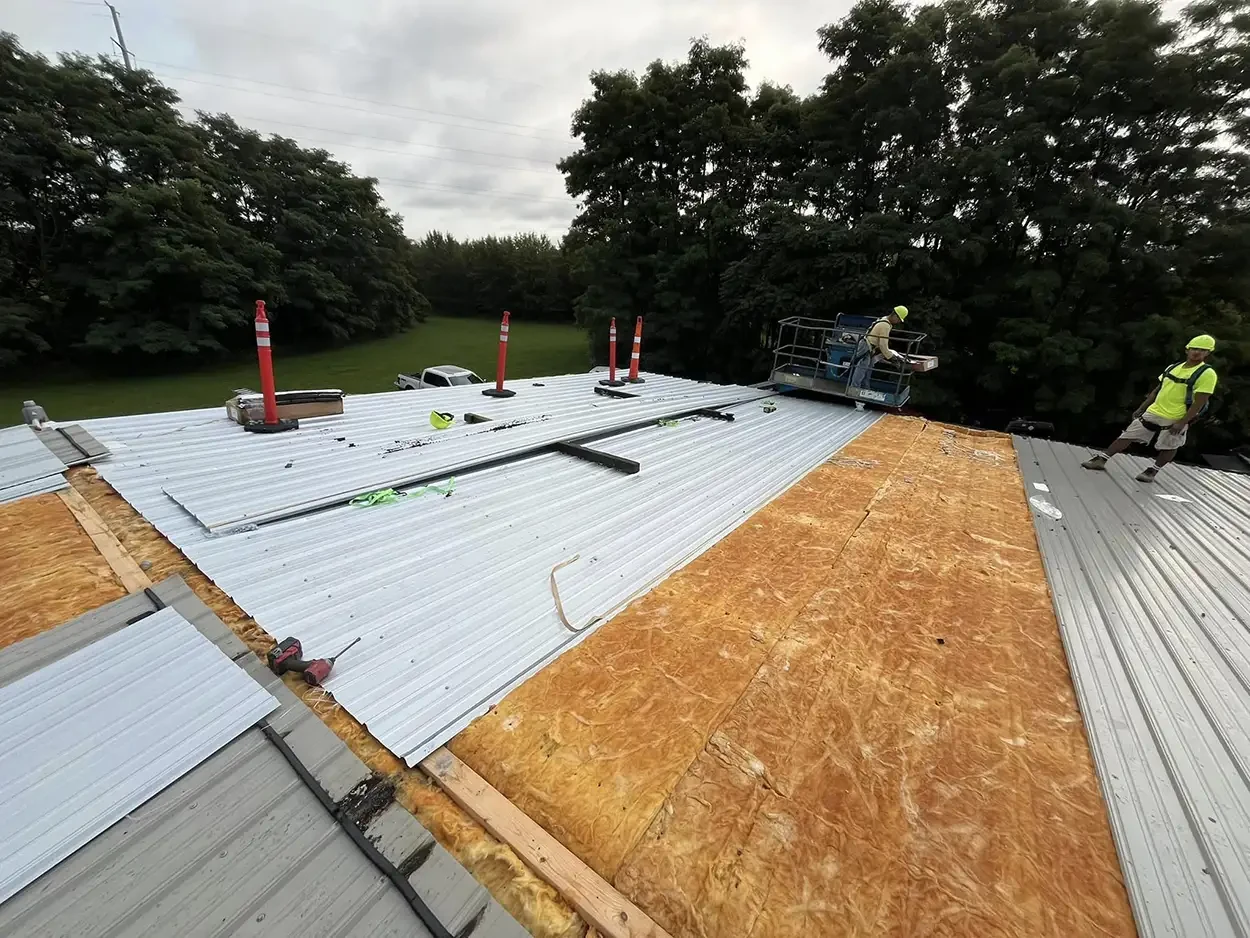
A full reroof is the point where patch work stops paying off and the whole membrane, insulation layer, and flashing system comes out down to deck. Most of the buildings we replace roofs on sit inside the Killam or Unitec industrial parks, where flat single-ply systems take a beating from border heat and constant truck traffic below. We plan tear-off and install around active freight schedules, not the other way around.
When Patch Work Stops Making Sense
Every membrane has a point where repairs turn into a losing bet. On a TPO or EPDM roof in this climate, that usually shows up as seams that reopen within a season of being welded or taped, insulation that stays wet under more than a handful of test cuts, and a felt or fleece backing that's gone brittle enough to crack when you fold it. Once a roof crosses that line, spending more money chasing individual leaks costs more over three or four years than a planned replacement.
Laredo adds its own version of this problem. Extended stretches of near-100-degree heat push membrane surface temperatures well past ambient, which speeds up UV breakdown and thermal cycling fatigue faster than a roof of the same age would see in a milder market. A 15-year-old membrane on a warehouse roof here has usually taken more heat cycles than a 20-year-old membrane somewhere with a shorter summer.
Here's what typically pushes a roof from repair into replace on our inspection reports:
- Ponding water that hasn't drained more than 48 hours after rain in three or more separate areas
- Wet insulation confirmed by moisture scan or core cut in over 10 percent of the roof area
- Seam failures recurring at the same joints within 12 months of a prior repair
- Flashing pulled away from parapets or curbs at multiple penetrations
- Membrane thickness measurably reduced from UV erosion, especially on south- and west-facing slopes
- A warranty that's already lapsed with no manufacturer-approved repair path left
Phasing a Reroof Around Live Dock Doors
Cross-dock buildings don't get to close for a week while we work. A facility running inbound and outbound trailers through twenty or thirty dock doors needs most of those doors live at all times, so we break the roof into sections tied to which doors are scheduled down for maintenance or slow that week. We coordinate that schedule directly with whoever runs dock operations rather than relying on the property manager alone, since dock staff are the ones who actually know which bays can go dark without backing up trailers on the apron.
That sectioning changes how we stage the job. Instead of one continuous tear-off run, we work in strips wide enough to keep dry-in ahead of any forecast, then move laterally as each section of dock doors opens back up for use. It's slower than a clean shutdown job, but it's the only way to reroof a building that's still loading and unloading trucks the whole time we're on it.
Working Inside Bonded and Customs-Controlled Yards
A good share of the warehouses we reroof handle bonded cargo, which means the yard itself has security rules that have nothing to do with roofing and everything to do with customs compliance. Crew credentialing, escorted access to certain zones, and staging areas for material and equipment all get set by the facility's security protocol before we ever get on the roof. We build that into the schedule up front rather than finding out on day one that half our laydown plan sits inside a restricted zone.
Materials, dumpsters, and hoisting equipment usually end up staged outside the bonded perimeter, which means more material handling time than a standard commercial site. We price and schedule that in rather than treating it as a surprise change order once the crew is already on the ground.
Membrane Choices for This Climate
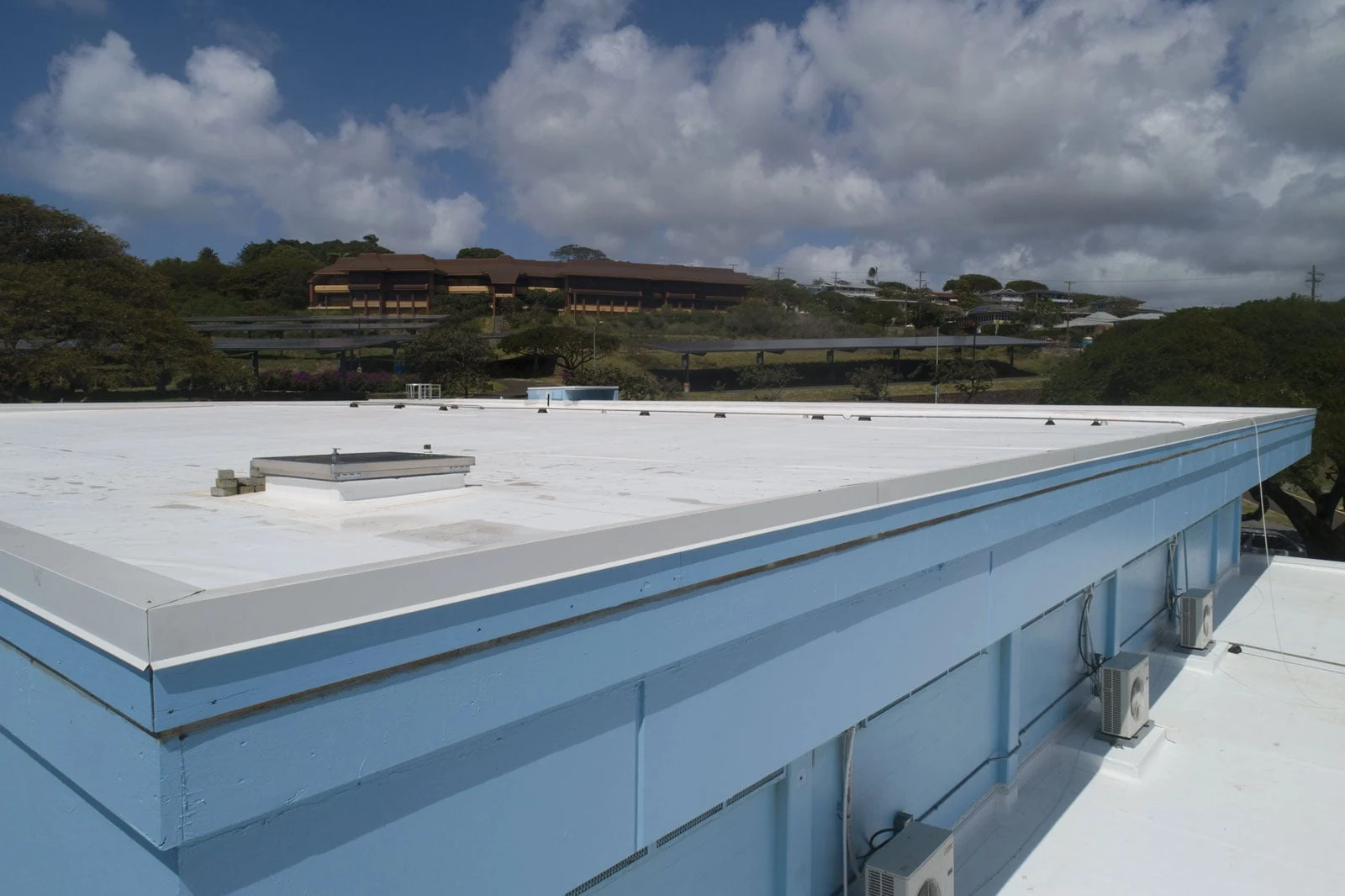
TPO remains the most common call for these roofs because of reflectivity against the summer heat load and welded-seam reliability, but we've moved some clients to PVC on sites with grease exhaust or chemical exposure near loading areas, since PVC holds up better against certain contaminants than standard TPO. EPDM still gets specified on some older buildings for cost reasons, though its darker surface runs hotter here than a white membrane would.
Insulation R-value and fastening pattern matter as much as membrane type. Wind uplift requirements along this stretch of I-35 aren't as severe as coastal Gulf markets, but sudden, short-duration thunderstorms still generate uplift spikes that a properly engineered fastening pattern needs to handle.
What Gets Documented During Tear-Off
Once deck is exposed, we photograph deck condition, any existing wet insulation, and prior repair patchwork before covering it back up. That record protects the building owner if a manufacturer warranty claim or an insurance question comes up later, and it gives whoever manages the building a clear picture of what the old roof actually looked like underneath the finished surface.
Questions Laredo Building Owners Ask Before a Reroof
How long does a full reroof take on a large warehouse?
It depends on square footage and how much of the building has to stay operational during the work, but phased jobs on active cross-dock buildings typically run longer than a shutdown reroof of the same size because of the sectioning described above.
Can the roof stay dried-in if a storm rolls through mid-project?
Yes. We keep completed sections fully sealed at the end of each work day and never leave more open deck exposed than we can dry-in before a forecast thunderstorm arrives.
Do you need access to bonded cargo areas to do the roof work?
No. Roof access and staging can almost always be routed around bonded cargo zones, and we plan the material path with facility security before the job starts.
Will a reroof affect an existing manufacturer warranty?
A full tear-off and reinstall typically resets warranty terms rather than voiding anything, since the whole assembly is new. We handle the manufacturer inspection and registration paperwork as part of the project.
What happens to the old membrane and insulation?
Tear-off material gets loaded directly into staged dumpsters outside restricted zones and hauled off site on a schedule that matches the phased work areas, so debris never sits piled near active dock doors.