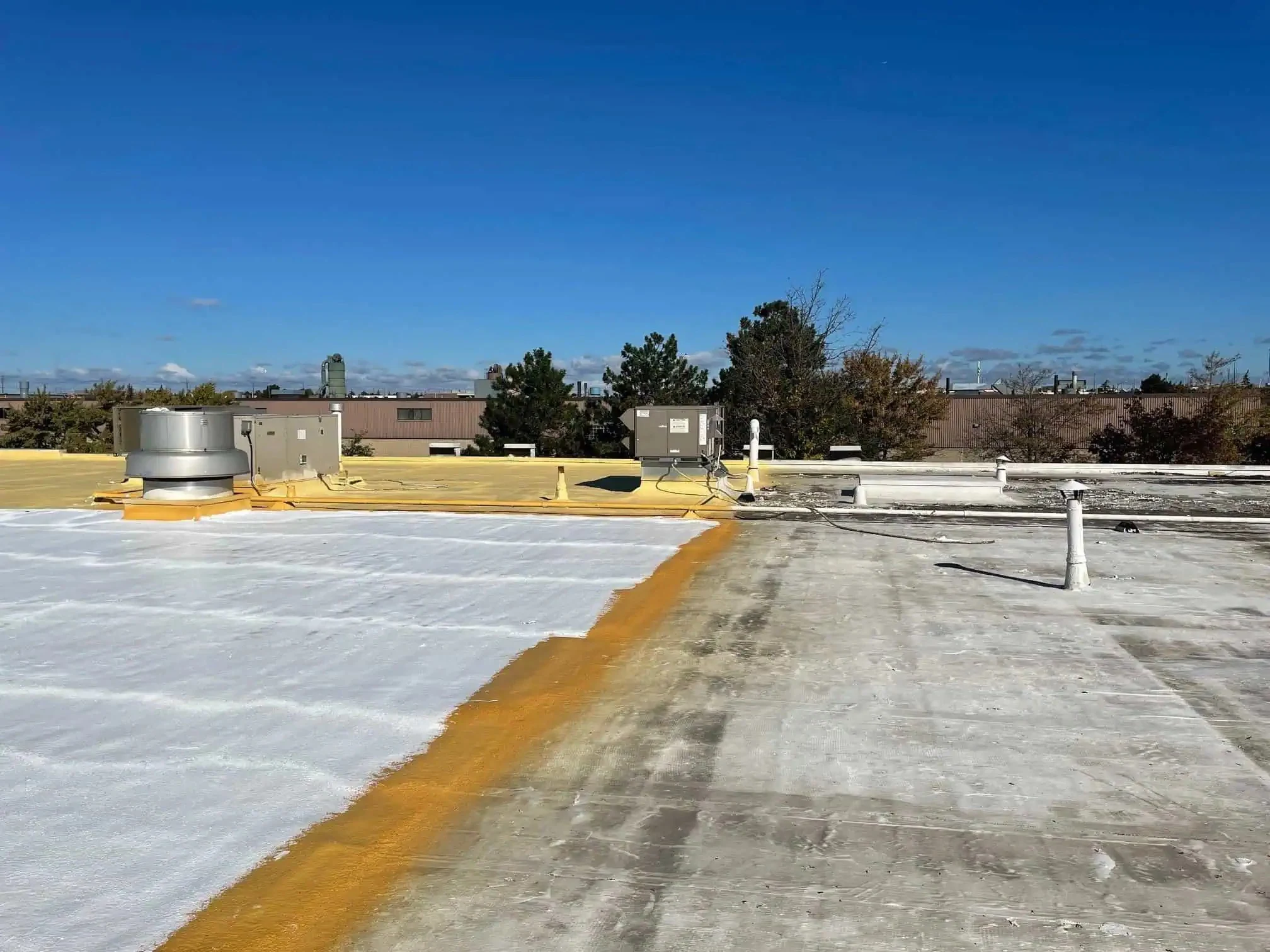
Commercial Roof Insurance Claim Assistance in Laredo, TX
Laredo carries one of the largest concentrations of cross-border warehouse and distribution roof stock in Texas, most of it running along I-35 and clustered around the World Trade Bridge, Killam, and Unitec industrial parks. When wind, hail, or a failed roof section puts one of those buildings into an insurance claim, the roof itself has to do most of the talking. Our role is to make sure it says the right things: what happened, where, how much area is affected, and what a full repair actually requires.
What a Commercial Roof Claim Actually Requires
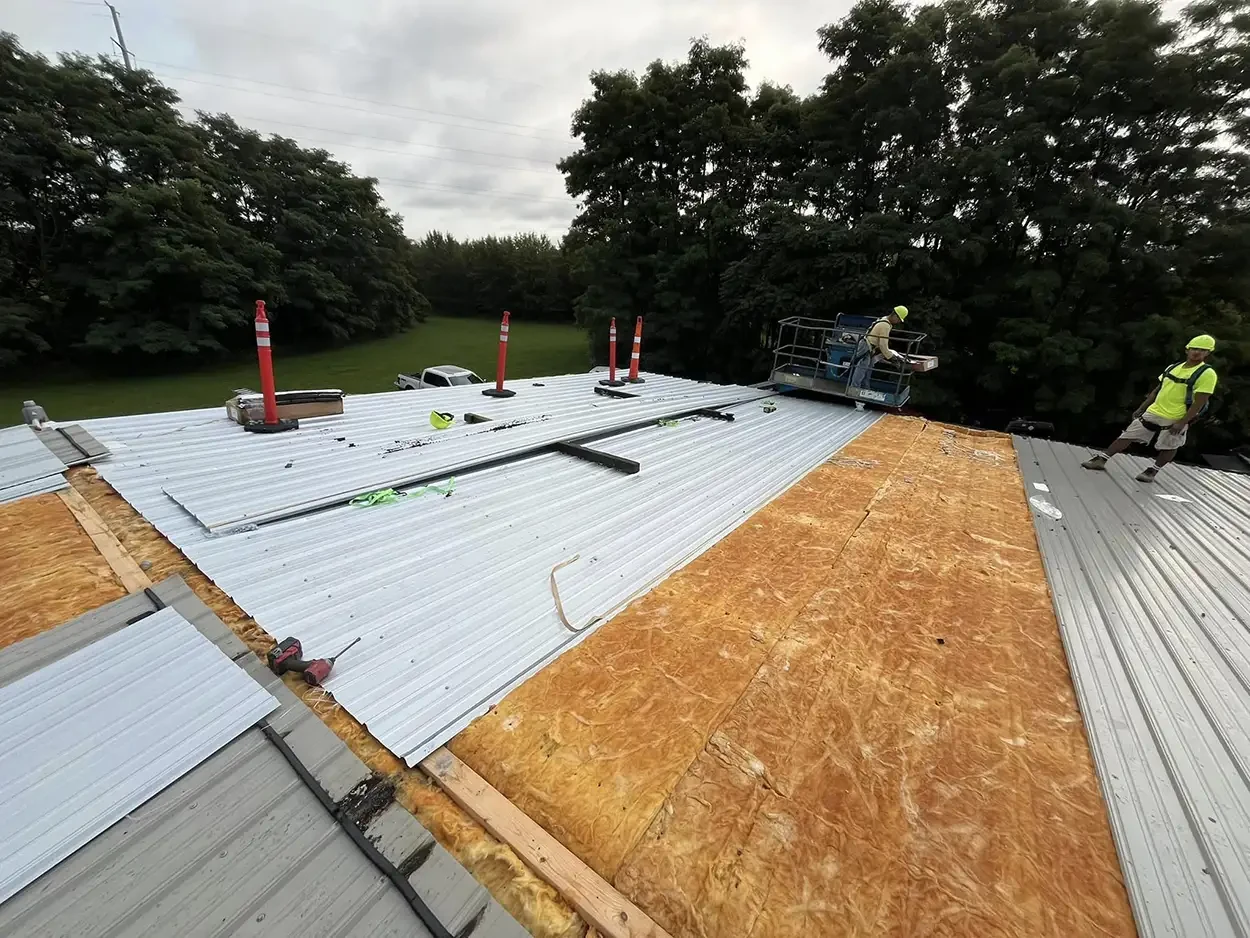
A property insurance claim on a commercial roof moves on documentation, not impressions. The carrier's adjuster needs dated photos tied to specific roof locations, measurements of affected area, and a written description of probable cause. On a large low-slope roof, that's a lot of surface area to cover correctly, and a rushed or incomplete walk can leave sections undocumented that later turn out to matter. We treat the roof survey as the foundation the whole claim sits on, not a formality before repairs start.
Warehouse and cross-dock roofs near the border crossing add a layer most residential claims never deal with: some facilities are bonded or customs-controlled, and getting an adjuster onto the roof can require coordinating access in advance. We flag that early so it doesn't turn into a scheduling delay once the claim is already open.
Documenting Damage Before the Adjuster Arrives
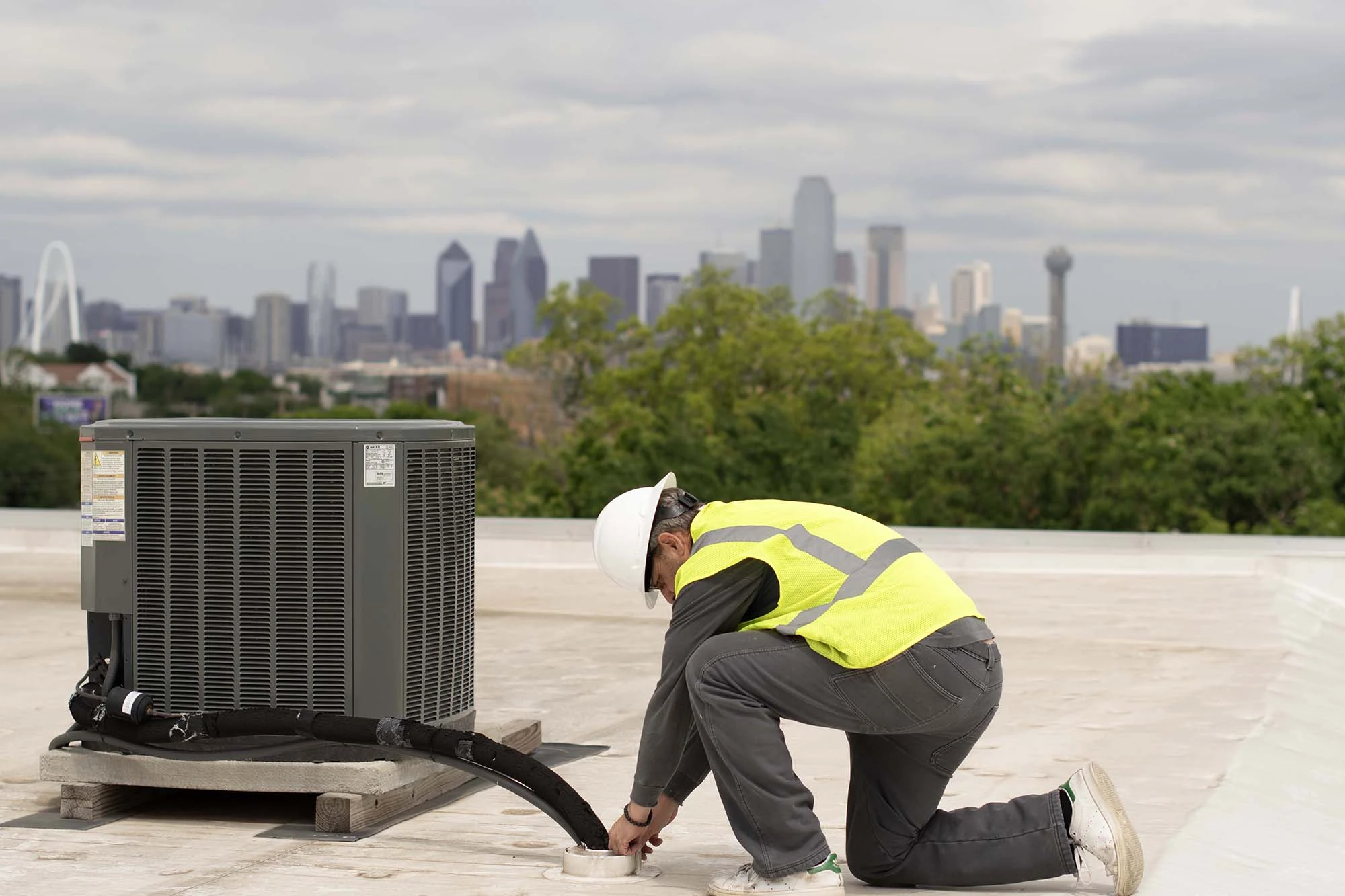
We inspect the roof first, independent of the carrier's timeline, and build our own record: wide shots that establish the roof's overall condition and layout, close-up photos of each damage point with a size reference next to it, and moisture readings where water intrusion is suspected but not yet visible from below. On membrane roofs common across Laredo's industrial parks, TPO and EPDM in particular, hail bruising and wind-lifted seams don't always look dramatic in a single photo, so we document the same damage from more than one angle and note it against the surrounding unaffected field for contrast.
Extreme South Texas heat is part of this picture too. Sustained summer roof surface temperatures accelerate UV and thermal-cycling wear on membrane and coatings, and that ordinary aging can look similar to storm damage to an untrained eye. We separate the two in our notes, pre-existing wear versus fresh storm damage, because conflating them either overstates or understates what the current event actually caused, and neither helps the claim hold up.
Meeting the Adjuster on the Roof
When the carrier's adjuster is scheduled to inspect, we're there to walk the roof with them, point out documented damage, and answer technical questions about the roof system, its age, and how it was built. We don't speak for the insurance company and we don't tell an owner what their carrier is going to approve. What we do is make sure the adjuster is looking at the same complete picture we documented, rather than only the most visible section of damage.
Building a Complete Scope Beyond the Visible Damage
A roof claim scope should reflect everything the repair actually needs, beyond the damage that's easiest to see from the ground or from a single rooftop vantage point. That includes secondary items adjusters sometimes miss on a first pass:
- Code-required upgrades triggered by the repair, such as updated edge metal or insulation
- Matching existing membrane, coating, or metal panel systems where partial replacement leaves a mismatch
- Drainage components affected by the same event, drains, scuppers, or gutters
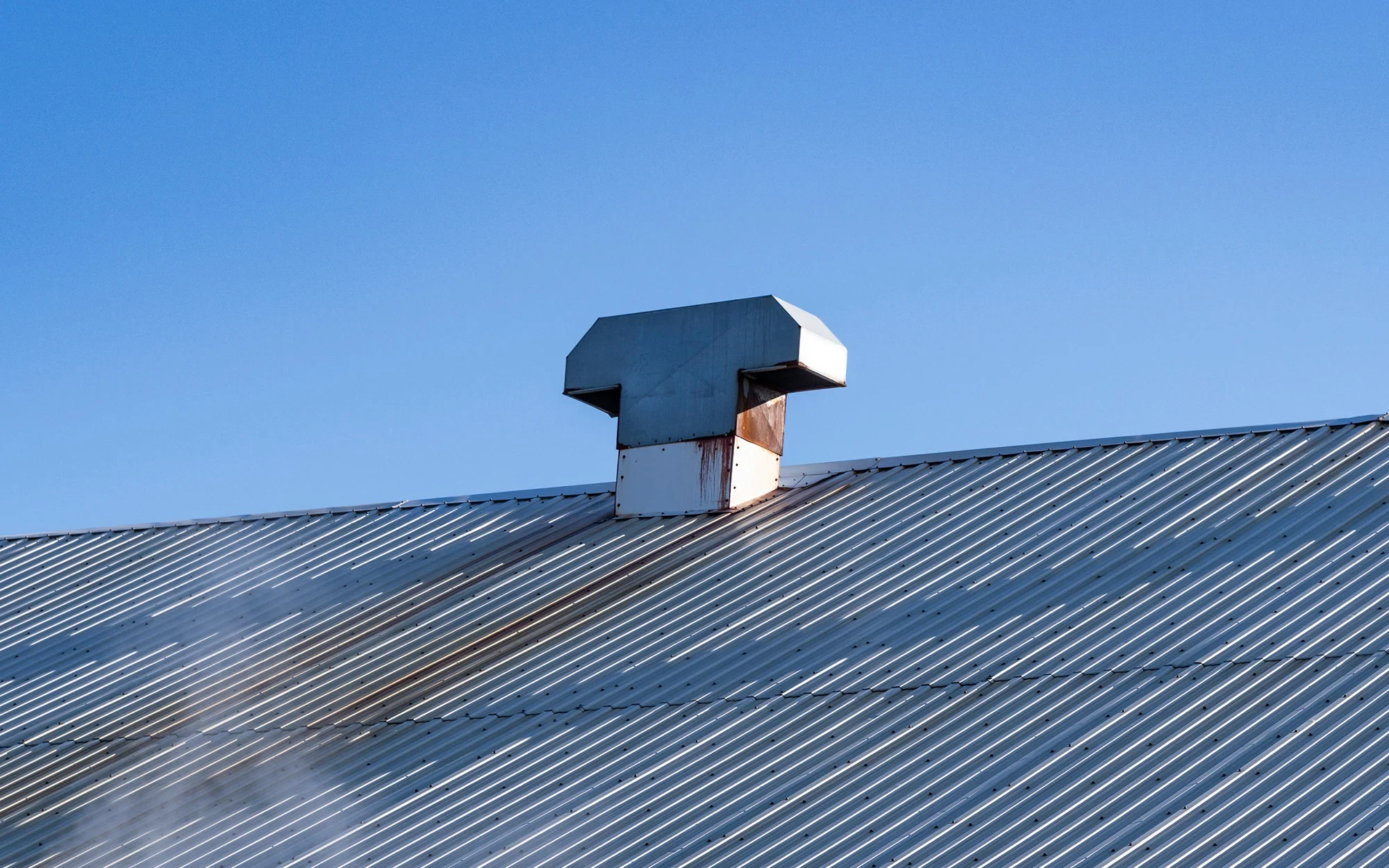
- Flashing and penetration details disturbed by wind uplift even where the field membrane held
- Interior damage tied directly to the roof failure, insulation, deck, or ceiling systems
We put this scope in writing as part of the documentation file. If our assessment of what the roof needs differs from a carrier's initial estimate, we say so plainly and explain why, rather than adjusting our numbers to match a figure that wasn't built from an actual roof inspection.
When a Claim Comes Back Denied or Underpaid
A denial or a low initial estimate isn't always the end of the process. Often it means the carrier's estimate was built from limited information, an aerial measurement, a partial roof walk, or damage that wasn't fully documented the first time through. When that happens, we can perform a supplemental inspection, document anything that was missed or underscoped, and provide updated findings the owner can bring back to their carrier or adjuster. We're your roofing contractor in that process, not a public adjuster, we document and substantiate the roof damage so you and your adjuster are working from an accurate, complete scope, not a guess.
Common Questions About Roof Insurance Claims
Does insurance cover commercial roof replacement?
It depends on the policy and the cause of loss. Wind and hail damage are commonly covered perils on commercial property policies, but coverage terms, deductibles, and repair-versus-replacement thresholds vary by carrier and policy. We document the physical condition of the roof; coverage determinations are made by the carrier based on the policy language.
What does the claim process typically involve?
Generally: the damage is reported to the carrier, an adjuster is assigned and schedules an inspection, and the carrier issues an estimate based on that inspection and any supporting documentation submitted. We support that process by providing our own independent roof documentation and repair scope, which owners can share with their adjuster.
What if the claim gets denied?
A denial can sometimes be revisited with additional documentation, particularly if the original inspection missed damage or measured the affected area incorrectly. We can re-inspect and document anything that wasn't captured the first time.
Should I get a roofing contractor involved before filing?
It helps. Having independent, dated documentation of roof condition before or immediately after an event gives the adjuster a clearer starting point and can shorten the back-and-forth that happens when the only documentation available is the carrier's own initial estimate.
Do you negotiate with the insurance company on my behalf?
No. We're a roofing contractor, not a public adjuster or attorney. We document damage, meet adjusters on the roof, and provide a full repair scope and cost estimate. Negotiating coverage and payout is between the owner and their carrier.
How is hail damage different from ordinary wear on a claim?
Hail typically leaves localized bruising or punctures with a size and pattern consistent with impact, while heat and UV wear shows up as gradual, widespread brittleness across the whole membrane. We document both separately since a claim needs to reflect only the damage that event actually caused.