Exposed-Fastener R-Panel Roofs on Laredo's Industrial Buildings
R-panel metal roofing, the exposed-fastener corrugated system common on pre-engineered metal buildings, covers a lot of the smaller industrial and flex-space buildings scattered through Laredo's industrial parks, and its maintenance needs are different from concealed-fastener systems in some important ways.
Why R-Panel Is Common on Pre-Engineered Buildings
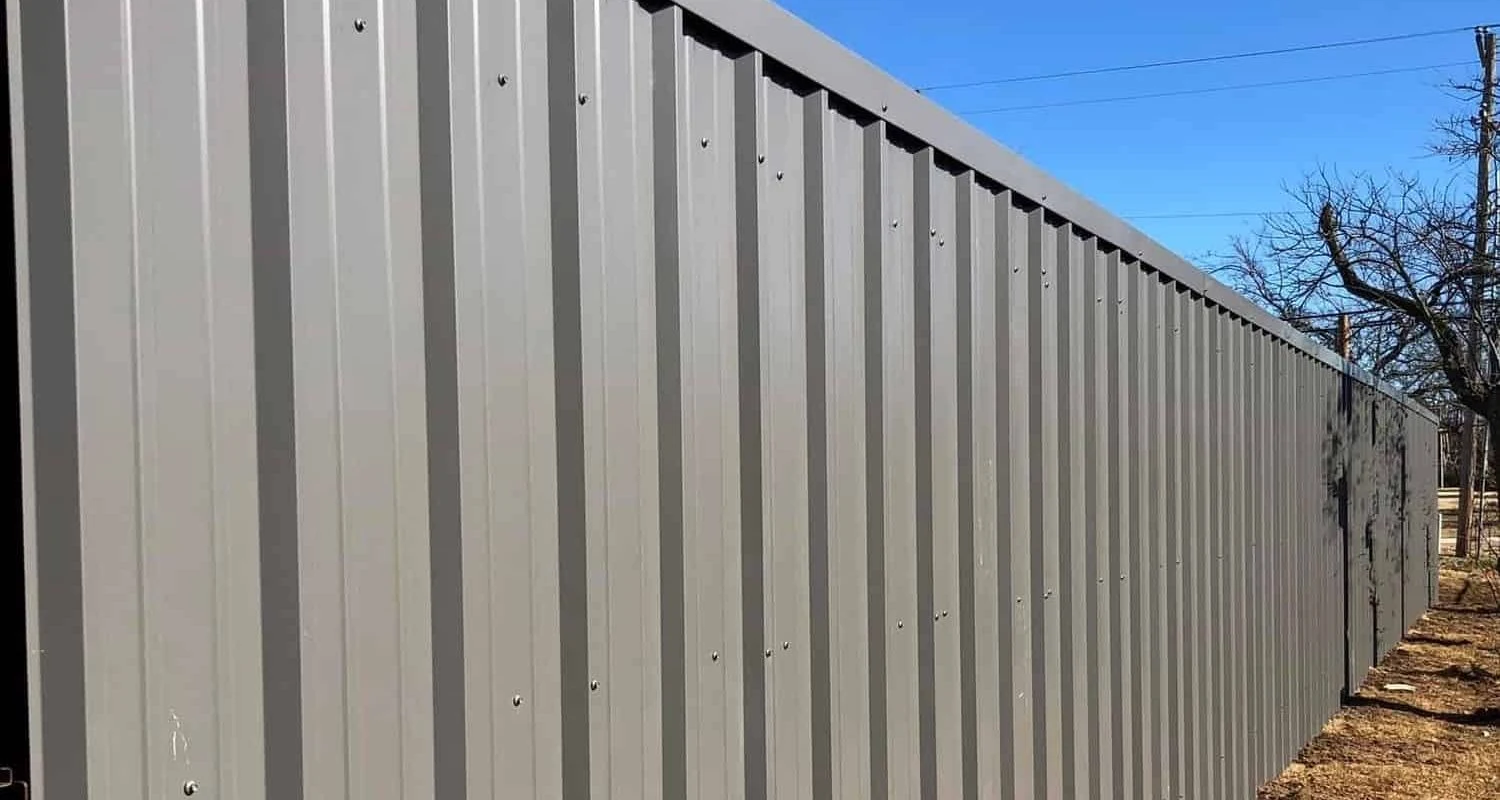
R-panel is the standard roofing choice on a lot of pre-engineered metal buildings, flex-space, smaller industrial units, and equipment yards through Unitec and the surrounding industrial corridor. It is economical to install and works well on the simple gable and single-slope roof geometries common to that building type.
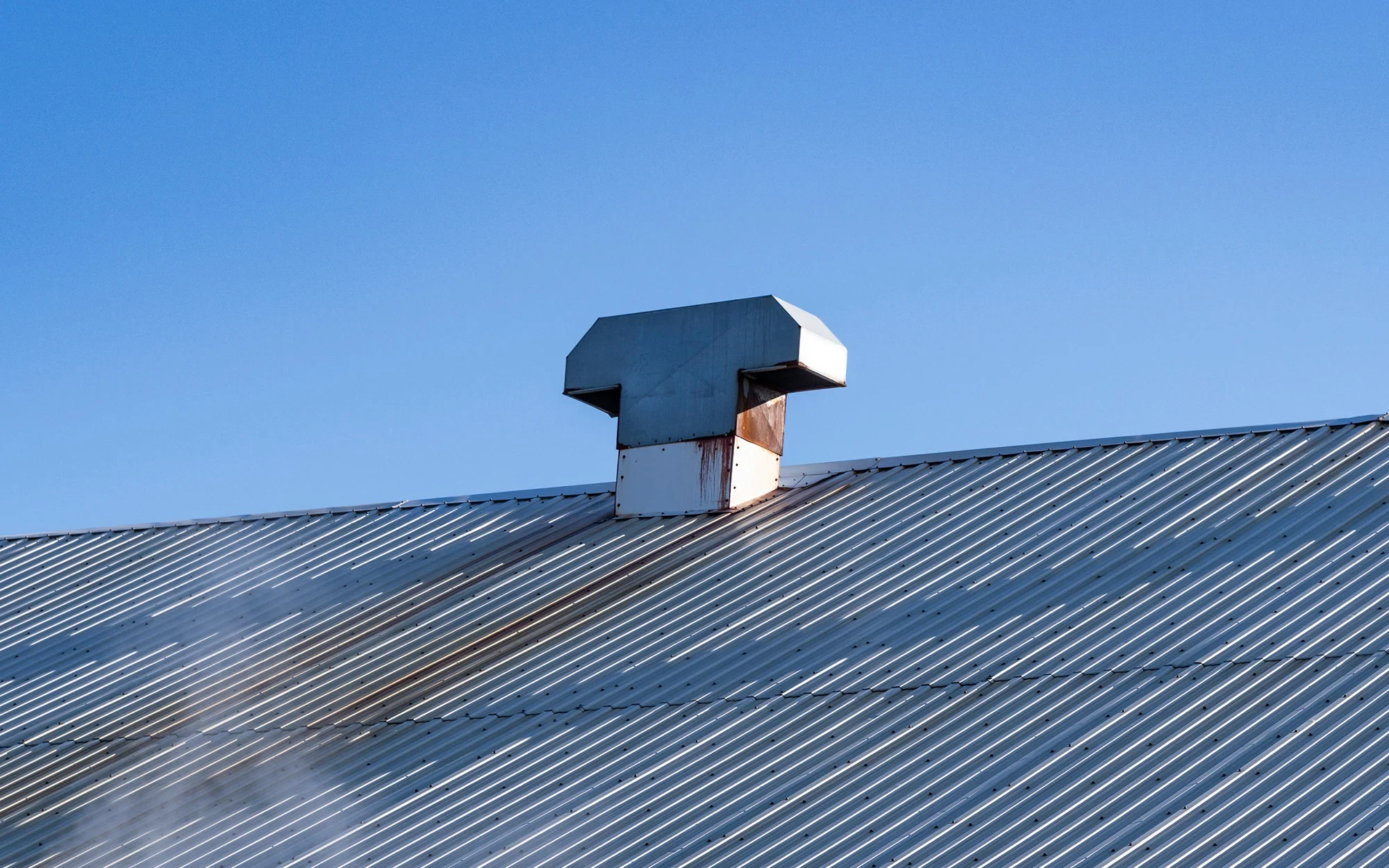
The tradeoff is the exposed fasteners. Unlike standing seam's concealed clip system, R-panel is fastened directly through the panel with a gasketed screw, which means every one of those thousands of fasteners is a potential leak point once its gasket fails.
A lot of these buildings were put up quickly during periods when the industrial parks were expanding fast, and the roof was rarely the most scrutinized part of the construction package. That means the fastener pattern, panel gauge, and trim details on any given building can vary more than an owner expects, which is part of why we inspect the actual roof rather than pricing off the building's age or size alone.
Gasket Failure Under Laredo's Sun
The rubber gasket under each exposed fastener degrades from UV exposure and thermal cycling faster in Laredo than it would in a milder climate, and gasket failure is the single most common cause of leaks on an aging R-panel roof. A roof with thousands of fasteners means thousands of individual points that can eventually let water in.
We check fastener condition systematically during inspections rather than spot-checking a handful of panels, since gasket failure does not happen uniformly across a roof, it tends to cluster on the panels that get the most direct afternoon sun.
Re-Fastening and Sealant Maintenance
Many R-panel roofs reach a point where a full re-fastening pass, replacing worn screws and gaskets across the field, extends service life significantly for a fraction of the cost of a full replacement. This is one of the more cost-effective maintenance moves available on this roof type, and it is often overlooked until leaks are already showing up inside the building.
Seam laps between panels and ridge cap seals also need periodic sealant maintenance, since exposed sealant breaks down under UV exposure faster than the panel material itself does.
Recover Options for Aging R-Panel Roofs
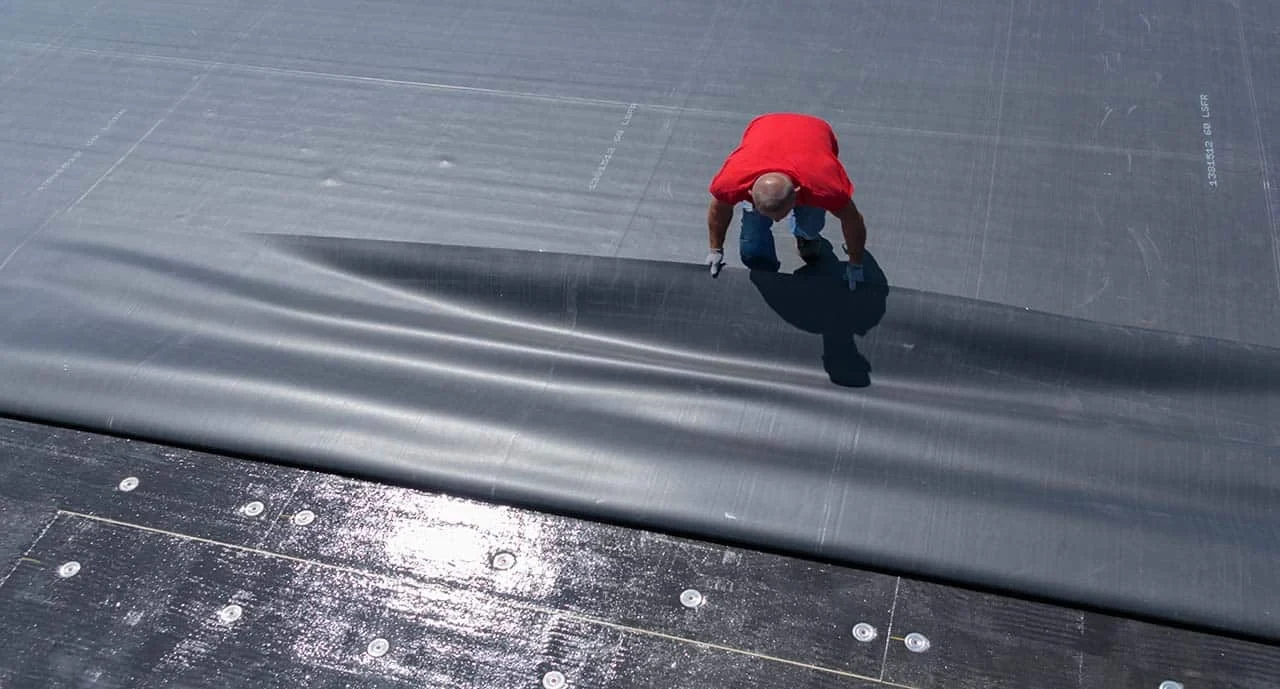
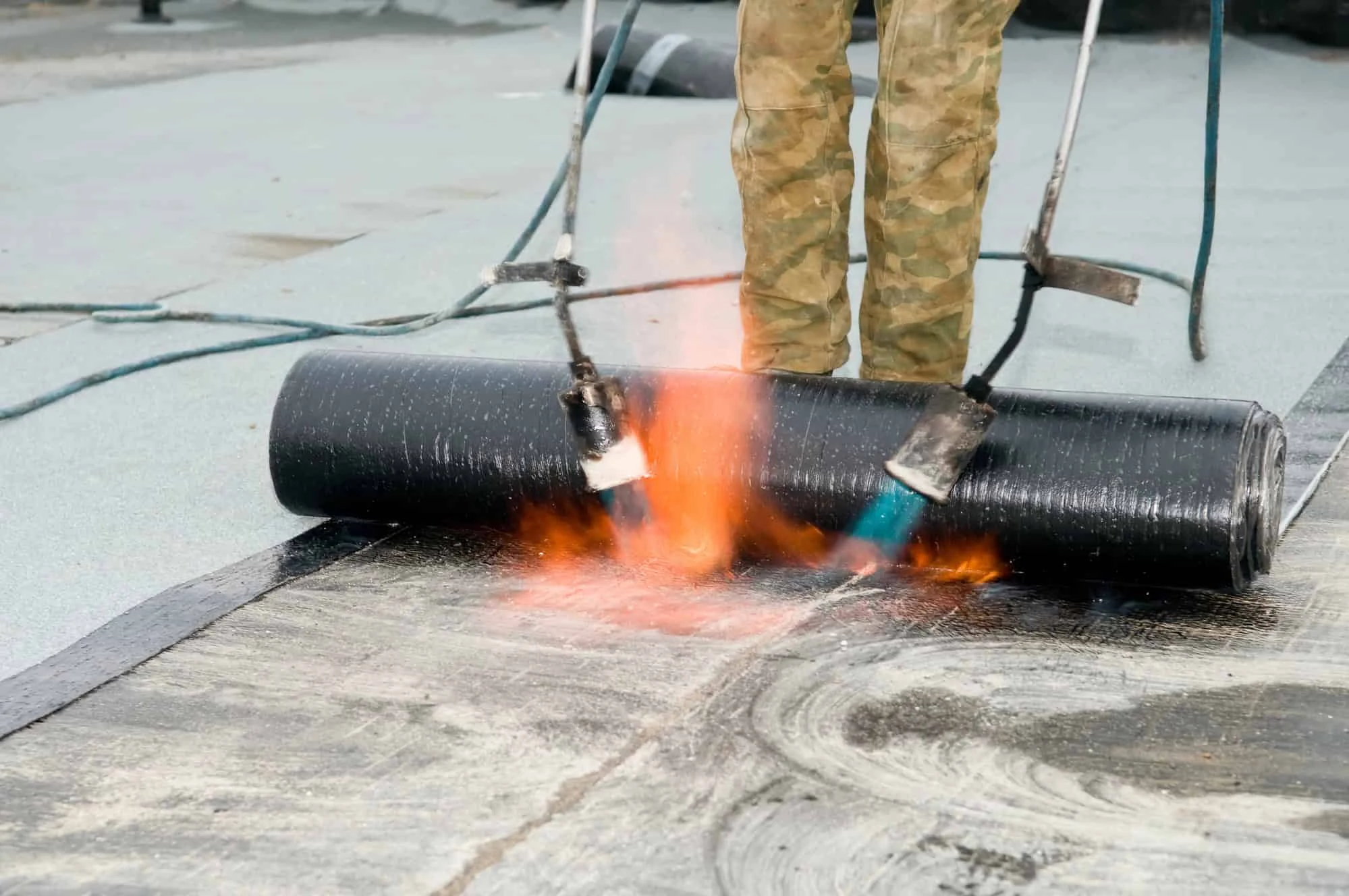
A common path for an aging R-panel roof that is leaking at multiple fastener points but structurally sound is a retrofit recover, either a new metal panel system installed over the existing structure, or a single-ply membrane system installed over a new insulation layer attached above the old panels. Both approaches avoid a full structural tear-off while resolving the fastener leak problem at its source.
The right recover choice depends on the building's structural capacity, the condition of the purlins underneath, and what the building's future use requires. We evaluate structural framing before recommending either option, since adding weight to an aging structure without checking capacity first is how a roof project turns into a structural problem.
- Pre-engineered metal buildings in Unitec and surrounding industrial parks
- Flex-space and smaller industrial units with simple gable roof lines
- Roofs showing leaks at scattered fastener points rather than one location
- Buildings due for a full re-fastening and sealant maintenance pass
- Aging R-panel roofs being evaluated for a membrane or metal recover system
Inspection Approach on R-Panel Roofs
We check fastener and gasket condition across representative panel sections, ridge cap seals, panel end laps, and any transitions to different roof planes or wall assemblies, since those transition points are where R-panel systems most often develop chronic leaks.
Interior inspection matters as much as the roof walk on this system. Staining patterns on the underside of an R-panel roof often reveal which fastener rows are failing before it is obvious from above, especially on a roof with insulation or a liner panel obscuring direct visual inspection from the roof deck.
We also check wall panel to roof panel transitions and any spot where a later addition, a loading dock canopy, an equipment screen wall, a satellite mount, was tied into the original roof after the fact. Add-on work is where we most often find flashing that was never properly integrated into the surrounding panel system, since a later contractor working around existing roofing does not always match the original detailing.
R-Panel Roofing Questions From Industrial Building Owners
Why does my R-panel roof leak in so many different spots?
Exposed-fastener gaskets fail individually across a roof, particularly on panels facing direct summer sun, which is why leaks often show up scattered rather than concentrated in one area.
Is re-fastening cheaper than replacing an R-panel roof?
Often significantly, if the panels themselves are still structurally sound. Re-fastening addresses the actual failure point without the cost of full replacement.
Can a new roof be installed over an old R-panel system?
Yes, either a new metal panel system or a membrane system can often be installed over the existing structure, depending on purlin condition and structural capacity.
How often should R-panel fasteners be checked?
We recommend a systematic check on a regular schedule rather than waiting for a leak, since gasket failure is progressive and easier to catch early than after interior damage appears.
Does interior staining tell you where the roof is leaking?
Often yes. Staining patterns on the underside of the roof deck can point to specific failing fastener rows even before it is visible from the roof surface.