Hotel Roofs Have to Perform While Guests Are Still Checked In
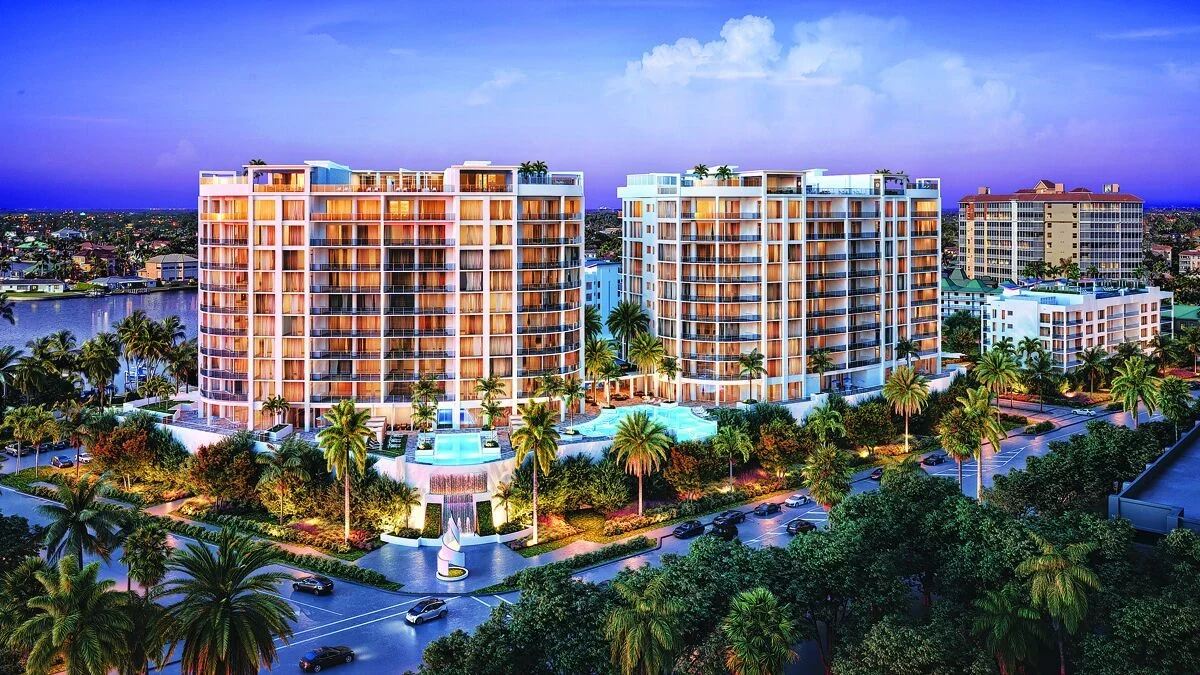
Hotels along I-35 and near the World Trade Bridge stay booked with freight drivers and border-crossing travelers most of the year, which means roof work almost always happens on an occupied building. We plan every hotel project around guest rooms staying open, not around an empty building.
Occupied Rooms Change How We Stage Every Job
A hotel roof project means material staging, crew movement, and noise all have to route around guests trying to sleep during the day after overnight drives, and around housekeeping and maintenance staff running their own schedule below.
We coordinate directly with hotel management on which floors or wings are affected by a given phase of work, and we sequence loud demolition or fastening work away from rooms that are occupied at the time.
For hotels with a pool, conference space, or restaurant under part of the roof, we treat those areas with the same access planning as guest room wings, since disruption there affects the whole property's operations.
We also keep our crews and vehicles clearly marked and confined to a defined work zone, since a hotel property depends on guests feeling like the building is well-run even during an active roofing project, and a disorganized job site undercuts that impression fast.
Storm Prep Before the Season Matters More Than Storm Repair After
Gulf moisture reaches Laredo less often than it hits the coast, but when a tropical system or severe thunderstorm line does move through, a hotel roof in poor condition puts guest rooms, HVAC equipment, and the building's income all at risk at once.
We recommend pre-season inspections that check flashing, drainage, and membrane condition specifically with wind uplift and heavy rainfall in mind, because a hotel roof failure during a storm is a guest-safety issue as much as a property issue.
Where a roof is aging toward the end of its service life, we lay out the honest tradeoff between a proactive replacement and the risk of an emergency repair mid-storm with guests in the building.
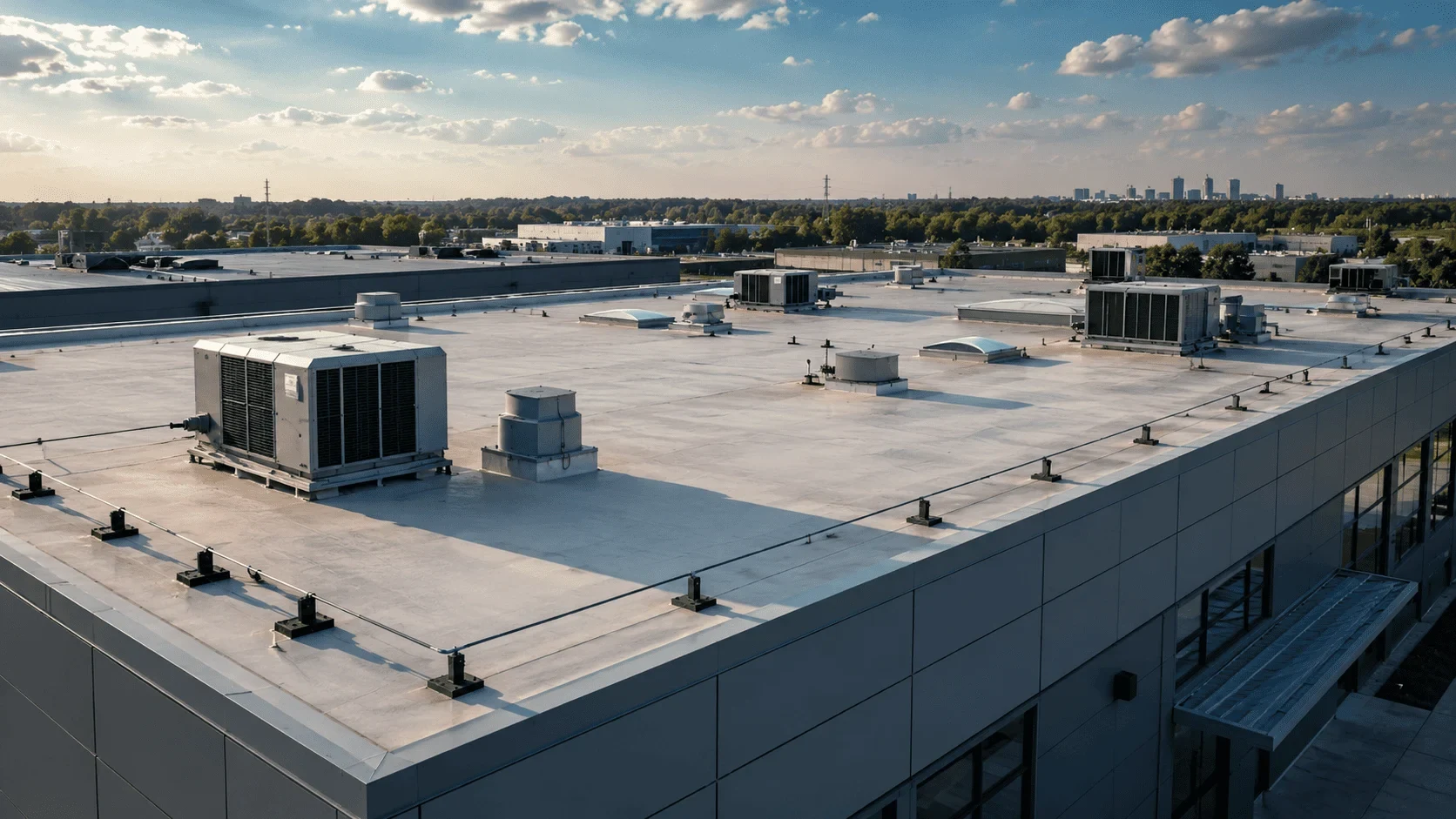
Parapet flashing and rooftop HVAC curbs tend to fail before the open membrane field does on a hotel roof, and those are the details a pre-season inspection catches while there's still time to fix them ahead of a wind event instead of during one.
For properties near the World Trade Bridge that see steady occupancy from freight drivers year-round, we also plan storm prep work far enough ahead of the season that we're not competing for scheduling slots with every other hotel in the corridor once a storm watch is actually issued.
Business Interruption Documentation Starts Before the Damage, Not After
A hotel closed or partially closed due to roof damage loses room revenue every night it's down, and the documentation that supports a business interruption claim is stronger when there's a clear pre-loss condition record to compare against.
We keep dated photo records of roof condition from routine inspections, which gives a hotel owner something concrete to hand an adjuster if storm damage later forces rooms offline.
When damage does occur, we document the extent immediately and prioritize drying in affected sections to limit how many rooms go out of service and for how long.
- Occupied-building roof replacement and repair scheduling
- Pre-season wind and rainfall readiness inspections
- Flashing and drainage repair around pool, conference, and restaurant wings
- Emergency tarp and dry-in to limit guest room downtime
- Dated condition documentation for business interruption records
- Full membrane replacement for aging hotel roof systems
Working With Hotel Management, Not Around Them
Every hotel property has its own operational rhythm, check-in and check-out times, housekeeping schedules, event bookings, and a roofing crew that ignores that rhythm creates more problems than the roof project solves.
We meet with hotel management before scheduling any work to understand upcoming events, occupancy forecasts, and any wings that are more sensitive to disruption than others.
For franchise-branded properties, we also account for any brand standard requirements around exterior appearance and guest experience during the project.
We also ask about upcoming brand inspections, since a franchise quality audit scheduled mid-project changes how we sequence the work, and a hotel manager shouldn't have to explain roofing scaffolding to an inspector on the same visit that grades the property's overall condition.
For independently owned properties without a franchise standard to follow, we still recommend keeping the same exterior appearance and finish details consistent with the rest of the building, since a mismatched repair section is visible to every guest pulling into the lot afterward.
Questions Hotel Owners Ask Us Most
Can roof replacement happen while the hotel stays open?
Yes, this is the normal way we run hotel projects. We section the work and coordinate directly with management on which areas are affected each day.
How do you minimize noise disruption for guests?
We schedule the loudest phases of the work away from occupied wings where possible and communicate timing with hotel staff so front desk teams can manage guest expectations.
What should we do to prepare our hotel roof before storm season?
A pre-season inspection focused on flashing, drainage, and membrane condition catches most of what causes storm-related failures, and it's worth doing every year rather than only after a bad one.
Do you document roof condition for business interruption insurance purposes?
We keep dated photo records from routine inspections, which gives you a pre-loss condition reference if you ever need to support a claim.
Do you work with franchise-branded hotel properties?
Yes, and we account for brand exterior standards and guest-experience considerations when planning the project timeline.