A useful response starts before roof access
The first conversation about slow roof drains, blocked strainers, backed-up leaders, leaking drain bowls, undersized scuppers, missing overflow paths, or ponding that remains after rainfall should establish the Laredo property address, contact on site, roof-access method, affected interior area, when water was first observed, whether entry is active, and any immediate safety concern. If the building has prior reports, warranties, repair invoices, roof plans, or known drain locations, those records can shorten the investigation. They should be treated as history to verify, not as proof that the present failure has the same cause. The response plan should match the reported condition without promising a cause, permanent repair, or arrival time that has not been verified. Dispatch clarity is valuable precisely because it avoids unsupported assumptions.
Price the known work without hiding the unknowns
Pricing is easier to evaluate when the scope shows which conditions were measured, which were observed but not opened, and which remain concealed. Unit prices or allowances can address uncertainty without pretending the quantity is already known. Schedule assumptions also belong beside price: weather windows, material lead time, permits, shutdowns, tenant coordination, daily dry-in, and access restrictions. An unexplained low number can become an expensive sequence of changes if these constraints are omitted. Closeout requirements should be priced as part of the work: final photographs, repair locations, warranty or material records, open punch items, and the next recommended inspection. Those documents keep the completed scope connected to the roof plan.
How Laredo operating conditions shape the review
Weather around Laredo, TX combines high heat, ultraviolet exposure, hail, severe thunderstorms, wind, and concentrated heavy rainfall. The timing of that exposure can reveal a weak detail, yet the weather event and the leak source are not automatically the same thing. Start with the room, ceiling grid, equipment, wall line, and time of entry, then carry those coordinates to the roof. Comparing high and low points, rooftop details, prior patches, and flow paths is more reliable than standing over the first wet-looking surface. A useful report does not hide uncertainty. It names the unverified areas, explains why they were inaccessible, and states which follow-up observation or test would resolve the question.
Build a roof record another decision-maker can use
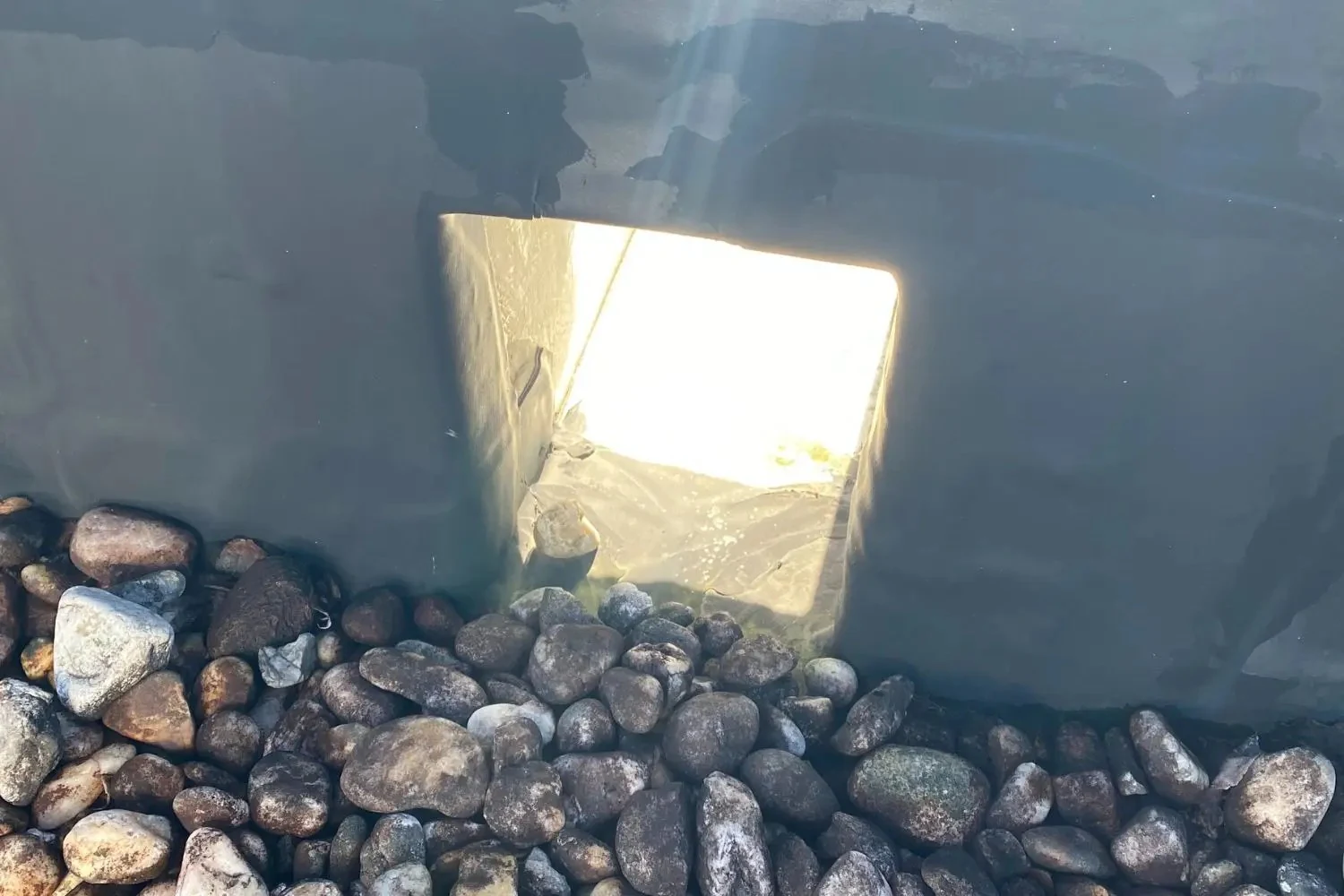
A decision-grade Laredo roof record includes water depth and duration, debris, drain and scupper condition, membrane terminations, interior staining, discharge restrictions, roof slope, overflow provisions, and repeated ponding locations. Conditions should be organized by roof area and priority rather than buried in a chronological photo dump. During the visit, the technician should follow water from the roof field through low points, sumps, drain bodies, clamping rings, scuppers, leaders, overflow openings, and safe discharge points. Wide views, detail views, measurements, markings, and interior references make the findings reproducible instead of dependent on memory. Temporary protection, permanent repair, routine maintenance, and capital recommendations belong in separate sections. This keeps a successful dry-in from being mistaken for the completed repair and lets competing proposals be compared on the same basis.
Do not force different roof systems into one repair assumption
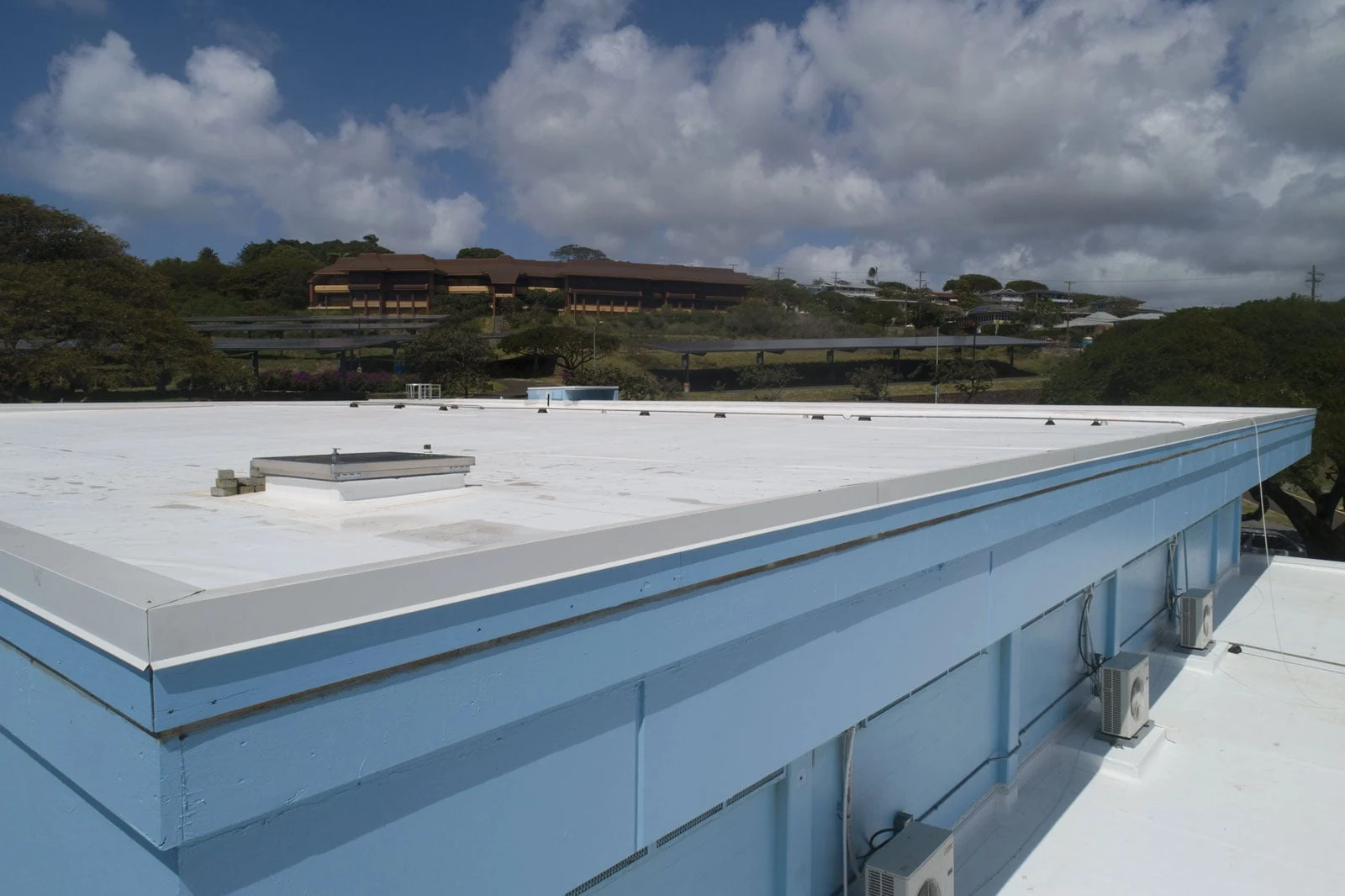
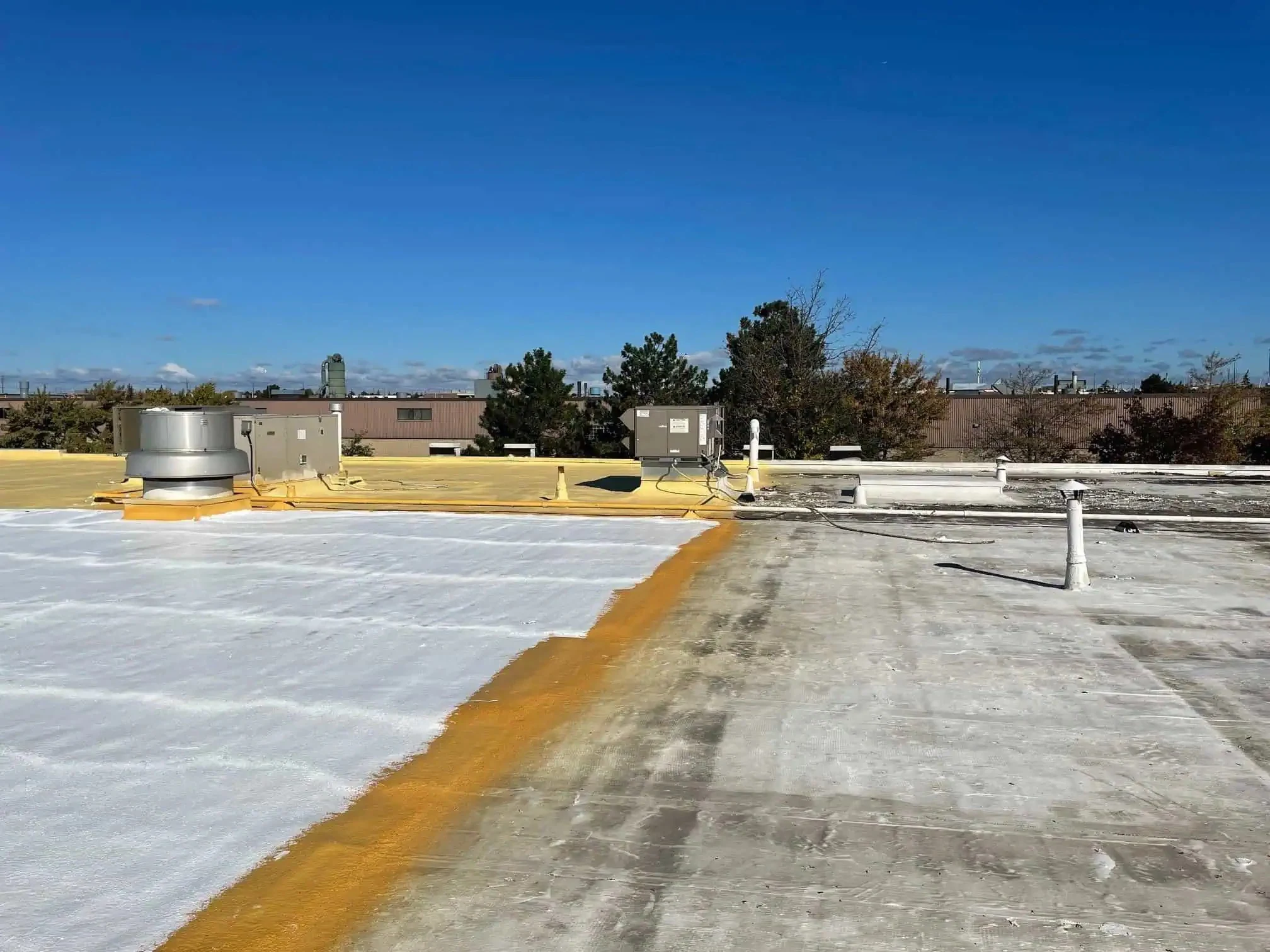
Roof-system identification changes the diagnosis. Around Laredo, the target page inventory includes PVC Roof Systems, EPDM White, and Spray Polyurethane Foam, each with its own seam, flashing, fastener, and compatibility questions. Preparation and repair language must fit the substrate. Cleaning, drying, reinforcement, fastening, priming, welding, adhesion, and cure requirements should not be copied from one roof system to another without verification. The final comparison should show which materials can accept repair or restoration, which areas need removal, and which unknowns could change the scope. Product preference comes after those conditions are established.
Keep the occupied building in the scope
Building operations change how the same roof work is performed. On General Contractors, Healthcare Systems, or Food Processing Cold Storage, access, interior sensitivity, security, and working hours can define the safe sequence. Document roof access, sensitive rooms and inventory, deliveries, public entrances, tenant hours, exhausts and air intakes, interior evidence, and the route used to move tools and debris. These conditions belong in the written scope before scheduling. A dry-in can be appropriate during active weather even when permanent work must wait. The crew's daily record should identify every temporary edge, cover, ballast, drain protection, and remaining exposure before leaving the property.
Use condition thresholds instead of sales pressure
The recommendation must answer whether cleaning is enough, whether a drain or flashing detail needs repair, or whether chronic slope and capacity problems require redesign. An isolated repair, repair program, restoration, recover assembly, and full replacement solve different condition patterns and should not be presented as interchangeable price levels. The option matrix should address present failure, remaining risk, investigation still required, installation disruption, anticipated service interval, and future maintenance. Unknown inputs should be visible rather than buried in an allowance. Ownership should be able to see why a roof can be maintained, why it qualifies for restoration, or why removal is necessary. The report earns that conclusion through field evidence rather than sales urgency.
Carry today's evidence into the next roof decision
The practical handoff is a roof-condition review that connects drainage failures to membrane and insulation performance. The next person should receive the property address, roof-area identifiers, contacts, access notes, photographs, temporary measures, completed work, open recommendations, and timing. A persistent roof file connects dates, weather, symptoms, findings, repairs, costs, and follow-up. Trends become visible: recurring locations, growing wet areas, drainage issues, or a rising frequency of unrelated failures. The result is more than a completed patch or proposal. It is a controlled sequence from immediate response to documented condition, from condition to an appropriate option, and from that option to scheduled stewardship of the roof asset.
Laredo decision checklist
- Map the interior symptom to a named roof area before selecting a repair detail.
- Record temporary measures separately from permanent work and list every open item.
- Verify drainage, penetrations, walls, edges, earlier repairs, and transitions around the affected area.
- State the observed roof assembly, unknown construction, access limits, and testing assumptions.
- Connect the recommendation to repair, restoration, replacement, maintenance, or capital-planning thresholds.
- Set the next inspection or follow-up date so the roof history continues after this visit.
Commercial roof decision questions
Does this condition automatically mean the roof must be replaced?
No. The review should establish whether cleaning is enough, whether a drain or flashing detail needs repair, or whether chronic slope and capacity problems require redesign. Replacement becomes a defensible recommendation only when the field evidence, moisture, assembly condition, repair history, deck or attachment concerns, and lifecycle comparison support it.
What should the Laredo roof scope document?
It should document water depth and duration, debris, drain and scupper condition, membrane terminations, interior staining, discharge restrictions, roof slope, overflow provisions, and repeated ponding locations. It should also label temporary and permanent work separately, state assumptions and exclusions, and identify the inspection or service step that follows the current scope.
How does an urgent call become a maintenance or capital plan?
The immediate visit creates the first roof-area record. A follow-up inspection establishes condition and priorities. Completed repairs, recurring observations, drain service, warranties, and future recommendations are then retained so maintenance stays scheduled and larger work can be placed into the appropriate capital year.