Silicone Coatings for Recoating Laredo's Existing Warehouse Roofs
A silicone recoat is often the more economical move on a warehouse roof that's still structurally sound but has aged out of its reflectivity or developed minor seam and ponding issues. Given how much roof square footage exists across Killam, Unitec, and the Mines Road corridor from Laredo's trade-boom construction years, recoating that existing inventory is a huge part of the work we do that isn't a full tear-off.
Why Recoat Instead of Tear Off
Tearing off an existing membrane and starting over is the right call when the deck or insulation is compromised, but a roof that's still watertight structurally and just needs its surface refreshed is a poor candidate for that expense. A silicone coating restores reflectivity, seals minor seam and flashing issues, and buys real additional service life at a fraction of full replacement cost. We inspect thoroughly before recommending this route, because coating over a roof that actually needs replacement just delays a bigger, more expensive problem.
Ponding Water Resistance
Silicone coatings handle standing water better than most other coating chemistries, which matters on flat cross-dock roofs where drainage design wasn't always generous to begin with. Acrylic coatings, by comparison, can soften or degrade under prolonged ponding, which is one reason we lean toward silicone specifically on roofs with known low spots rather than assuming any reflective coating will do.
Reflectivity Economics on a 200,000-Square-Foot Roof
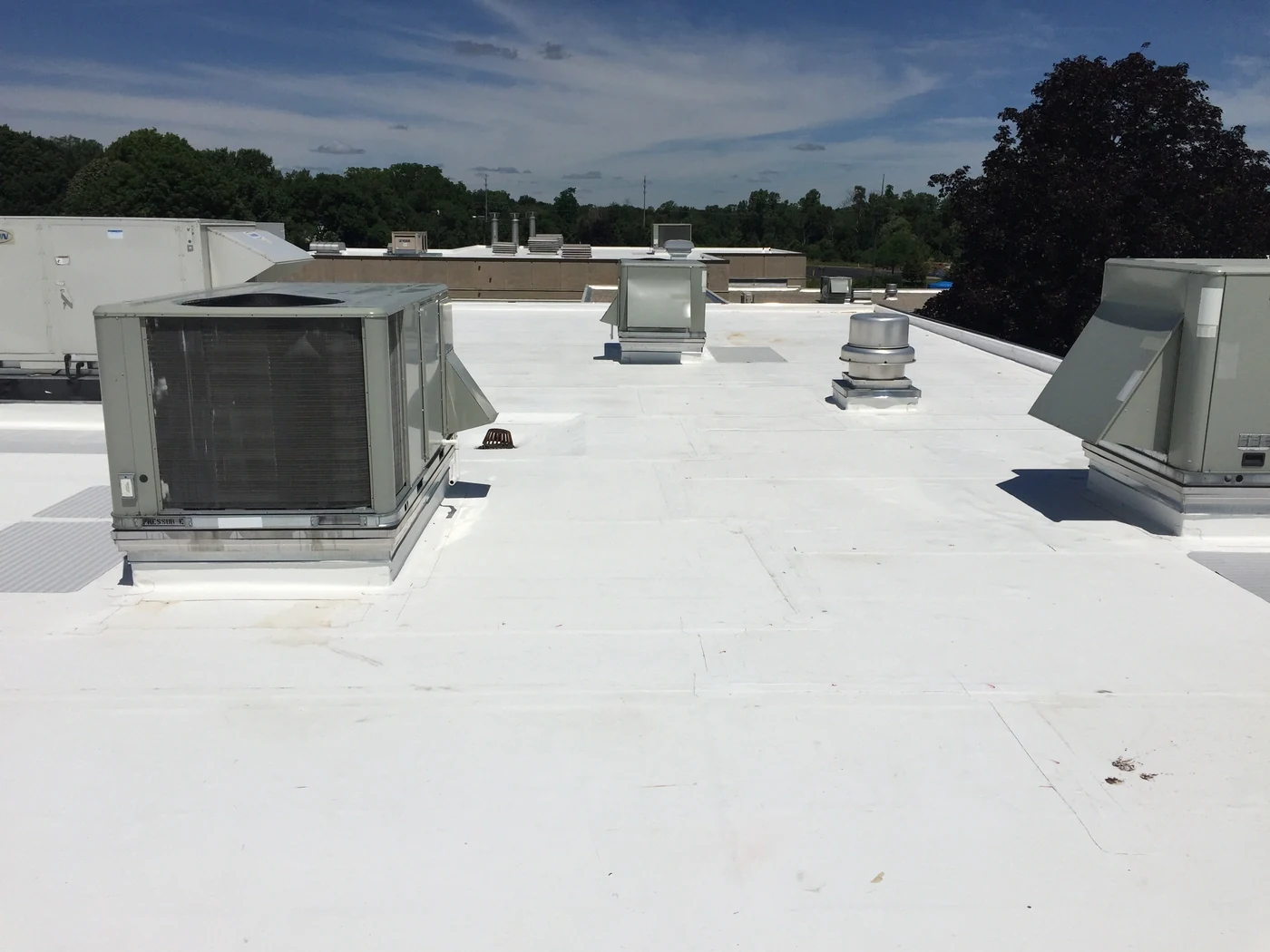
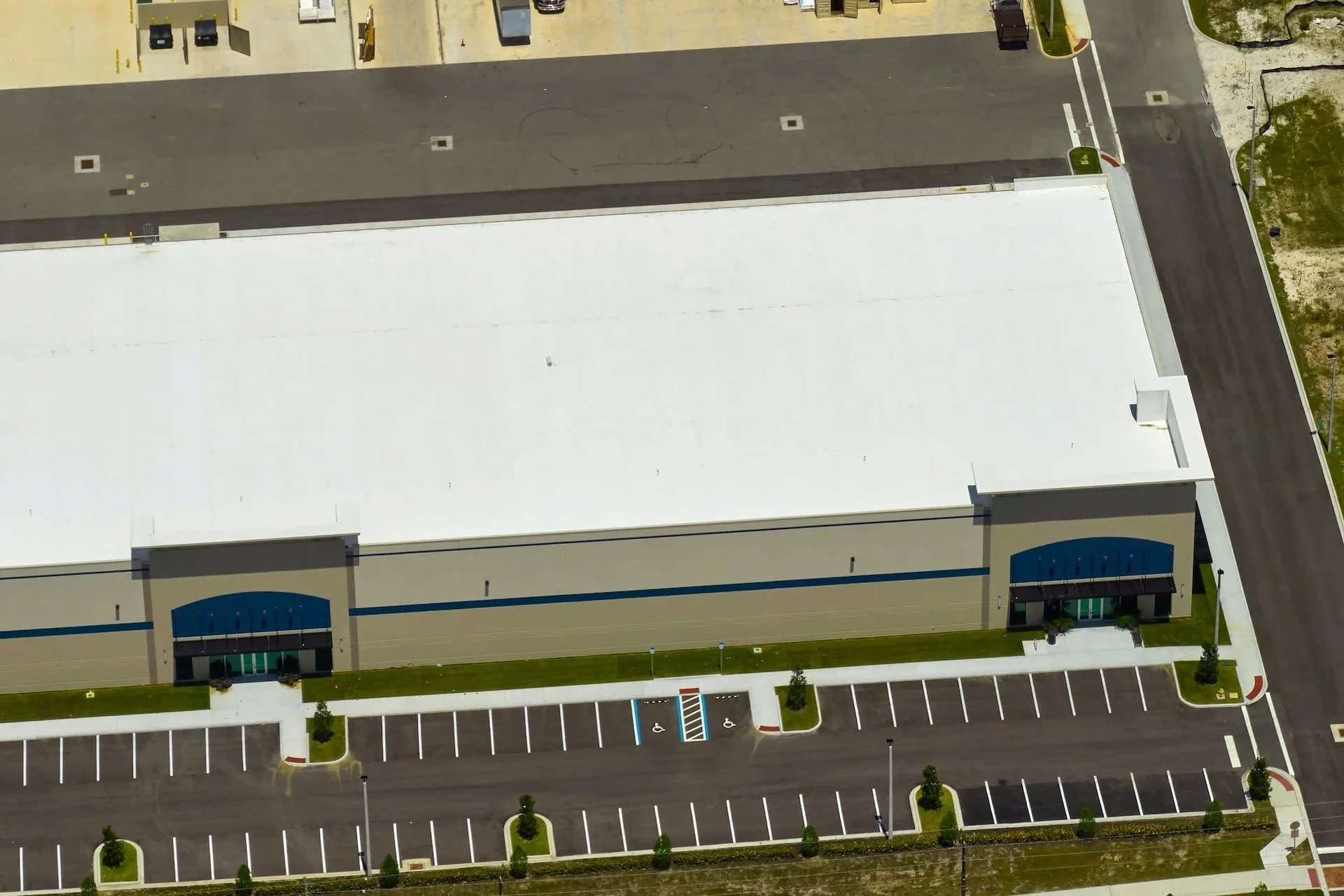
On a roof that size, even a modest reduction in surface temperature translates into real reduced strain on however many rooftop HVAC units are scattered across the field. A fresh silicone coating brings an aged, dirty membrane back close to its original reflectivity, and the cost of doing that across an existing roof is a small fraction of what a full membrane replacement of the same square footage would run. For owners managing large industrial portfolios, that arithmetic is usually the deciding factor in choosing a coating program over a replacement cycle.
Substrate Prep and Where Coatings Fail
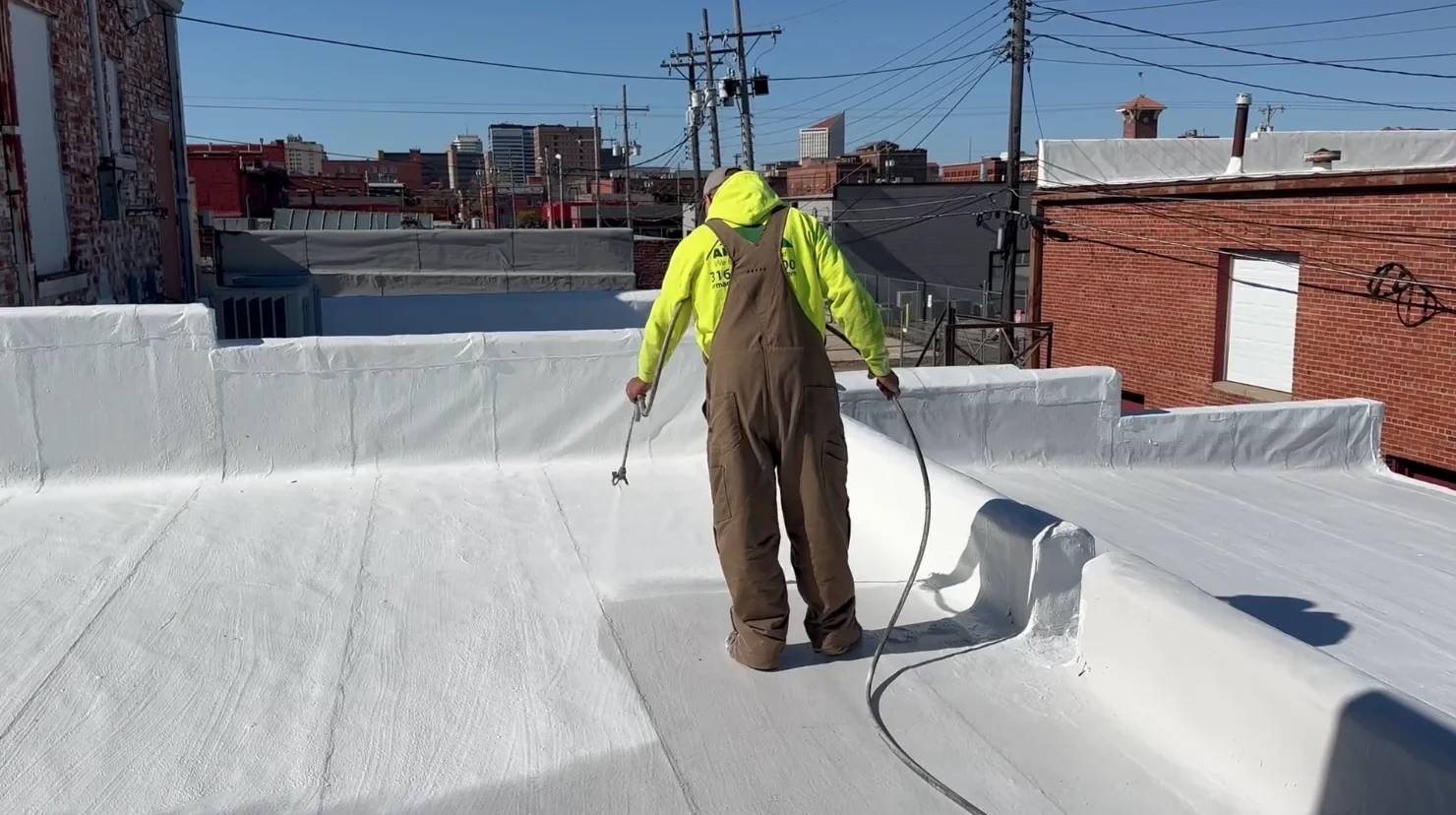
Almost every coating failure we've been called to diagnose traces back to inadequate substrate prep, not a coating product defect. Dirt, chalking membrane surface, or moisture trapped under the coating at application time will cause adhesion failure regardless of which silicone product goes down. We pressure-wash, test for moisture, and address any seam or flashing repairs before a single gallon of coating is applied, and we won't shortcut that step to save a day on the schedule.
Foot Traffic and Coating Durability
A coated roof still needs to hold up to the same maintenance foot traffic the original membrane did, and a silicone coating adds a certain amount of surface durability but doesn't fundamentally change the membrane's puncture resistance underneath. On roofs with heavy walk-path traffic to rooftop units, we sometimes recommend a granulated or textured coating finish along those specific walk paths for added durability and slip resistance, rather than assuming a smooth coating everywhere is the right answer for every zone of the roof.
- Full roof moisture survey before coating is approved as the recommended path
- Pressure washing and surface prep to the coating manufacturer's actual specification
- Seam and flashing repairs completed before coating application, not covered over
- Ponding areas addressed with additional coating build or minor drainage correction
- Coating applied at the manufacturer's specified thickness, verified with wet-film measurement
Recoat Cycles and What We Track
A silicone-coated roof isn't a one-time fix - it's a maintenance cycle, and we track coating thickness loss and reflectivity decline over subsequent inspections so an owner knows roughly when the next recoat makes sense rather than waiting for a leak to force the decision. That inspection history is also documentation an owner can point to if a wind or hail event raises questions about the roof's maintenance record.
For owners managing several buildings, we keep that inspection record building by building rather than as a single generic maintenance note, since two roofs coated in the same year can age differently depending on drainage, traffic, and how much direct sun each one takes across a full day.
A coating program also gives an owner a predictable line item to budget for instead of an unplanned emergency repair bill, which matters for portfolios where capital planning happens a year or more in advance of the actual work.
Questions About Silicone Roof Coatings
How do I know if my roof is a coating candidate or needs full replacement?
We inspect the deck, insulation, and existing membrane condition first; a roof with compromised insulation or a failing deck needs replacement, while a structurally sound roof with cosmetic or minor seam issues is usually a good coating candidate.
How long does a silicone coating last before it needs recoating?
Service life depends on the existing membrane condition, application thickness, and ongoing UV exposure; we track it through periodic inspection rather than promising a fixed number regardless of the specific roof.
Is silicone better than acrylic coating for Laredo roofs?
For roofs with any standing water exposure, yes - silicone holds up to ponding significantly better than acrylic. On a well-drained roof with no ponding, acrylic is sometimes a reasonable lower-cost option.
Can you coat a roof with existing seam issues?
Only after those seams are repaired first. Coating over an active seam problem just hides it temporarily; we fix the underlying issue before coating goes down.
Does a coated roof qualify for a new warranty?
Coating manufacturers typically offer warranty programs on their coating systems separate from the original membrane manufacturer's warranty; we review those specific terms with the owner as part of the proposal.