80-Mil TPO for Killam and Unitec Cross-Dock Roofs
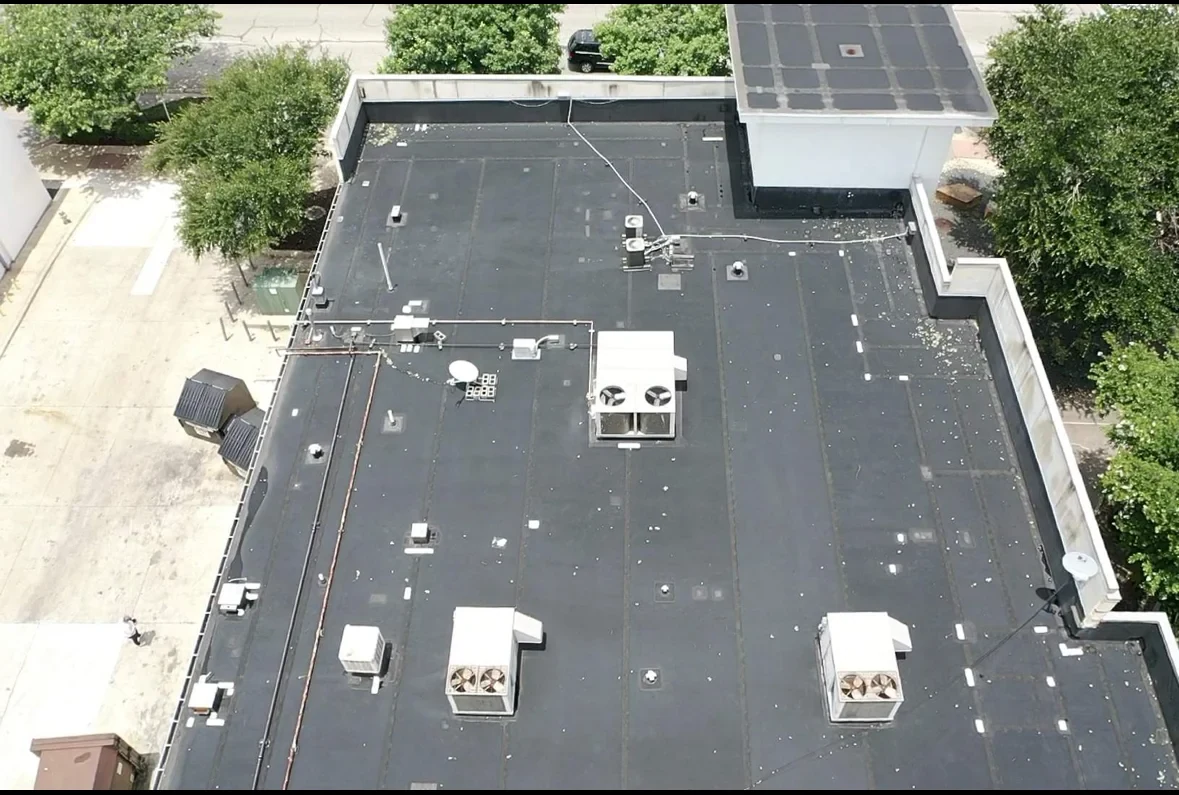
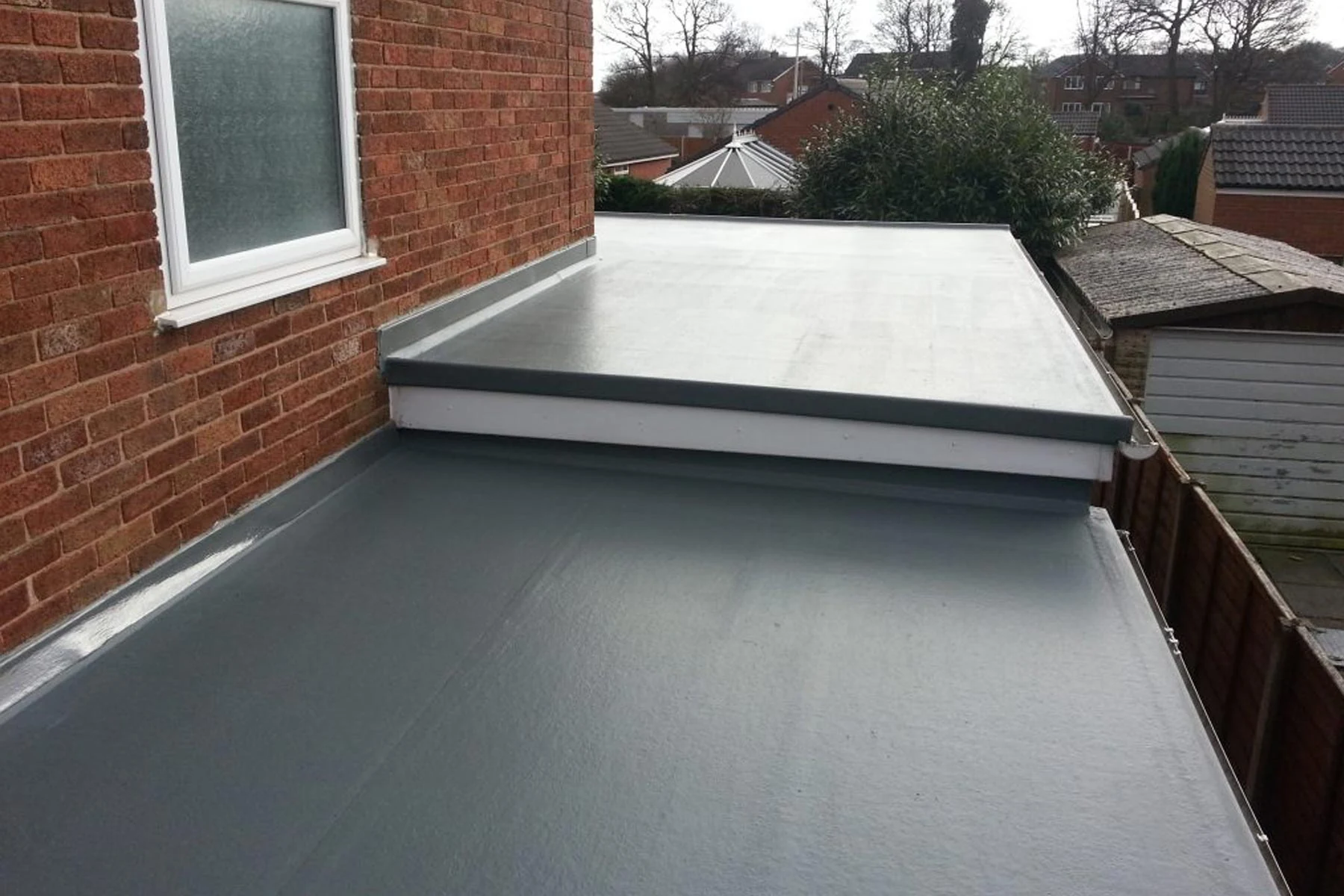
The cross-dock and customs-bonded warehouses filling Killam and Unitec industrial parks are built for one purpose: move freight through fast. That means huge unbroken roof decks, dock doors on two long sides, and very little else up top besides HVAC curbs and smoke vents. Eighty-mil TPO is the membrane we spec on almost all of them.
Why Cross-Dock Buildings Need the Heavier Sheet
A cross-dock roof is large, and it is mechanically abused in ways a retail roof never sees. Roof access happens constantly: HVAC service on dozens of rooftop units spread across an acre or more of membrane, fall-protection anchor work, tenant improvement contractors running conduit and ductwork over the years a warehouse changes hands. The extra 20 mils over a 60-mil sheet is there specifically for that ongoing foot traffic and incidental tool drops, not for a marketing bullet point.
We've replaced enough prematurely worn 60-mil membranes on buildings that turned out to have heavier-than-expected roof traffic that we default to 80-mil on any warehouse over roughly 100,000 square feet unless there's a specific reason not to.
Puncture Resistance at the Dock-Door Edge
The roof edge above a dock-door bank sees more activity than the rest of the field - ladder access, lift equipment staged nearby, sometimes pallet material stacked closer to the building than it should be. That's where punctures start on a thinner membrane. Eighty-mil TPO buys real margin in exactly the zone where it gets used hardest, and it's the zone we walk first on any inspection because that's where problems show up years before they show up anywhere else on the roof.
Thermal Movement Across a Roof the Size of a City Block
A single cross-dock roof deck can run several hundred feet in one direction with no parapet break in between. Under a Laredo summer sun that deck heats and expands, then contracts overnight, and it does that every day for the membrane's whole service life. On a run that long, expansion joints and properly spaced fastening rows aren't optional details - they're what keeps the membrane from telegraphing deck movement into seam stress over the years. We plan joint spacing before the first roll of membrane goes down, not after a seam starts working loose.
Mechanical Attachment on Spans This Large
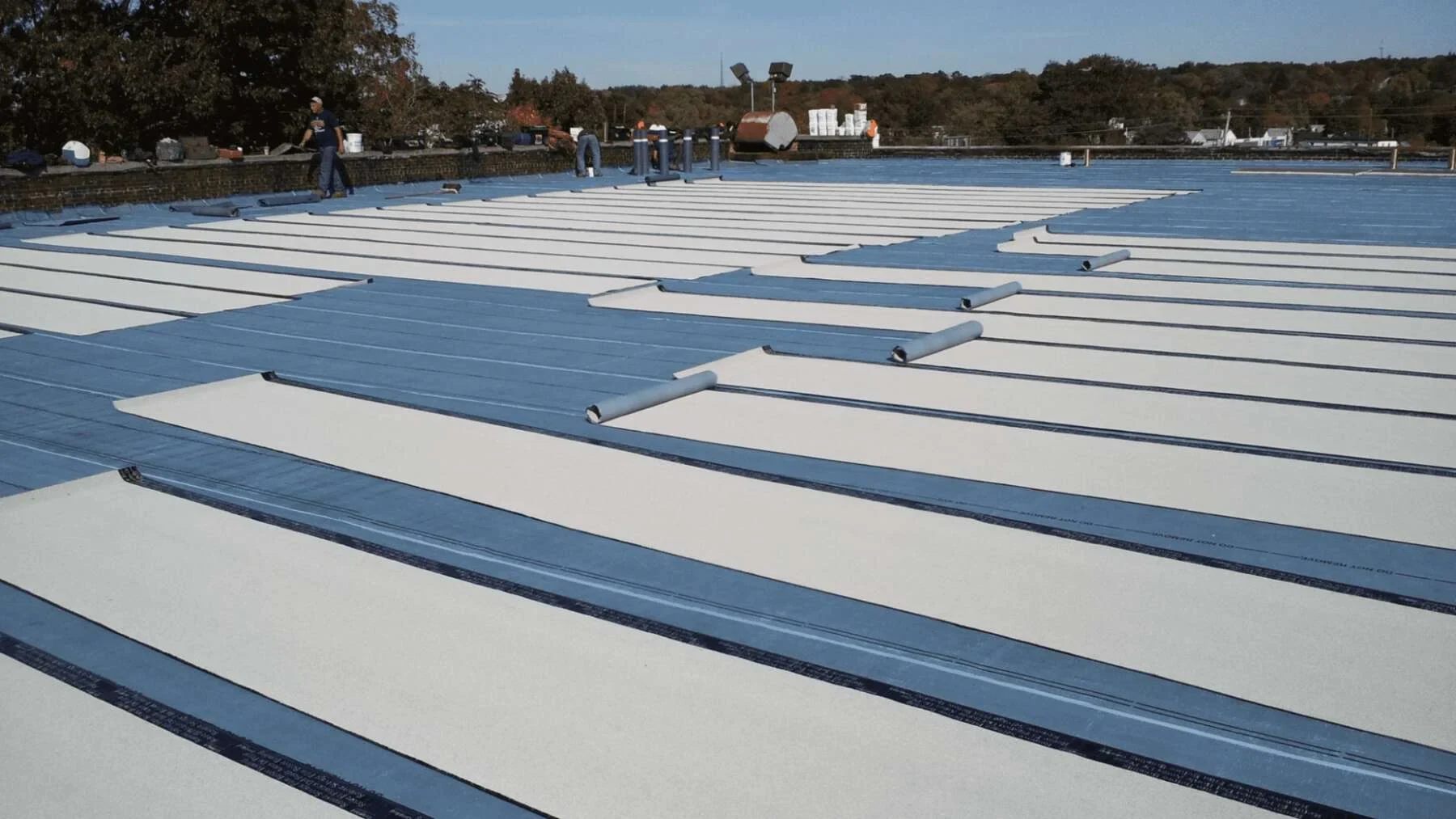
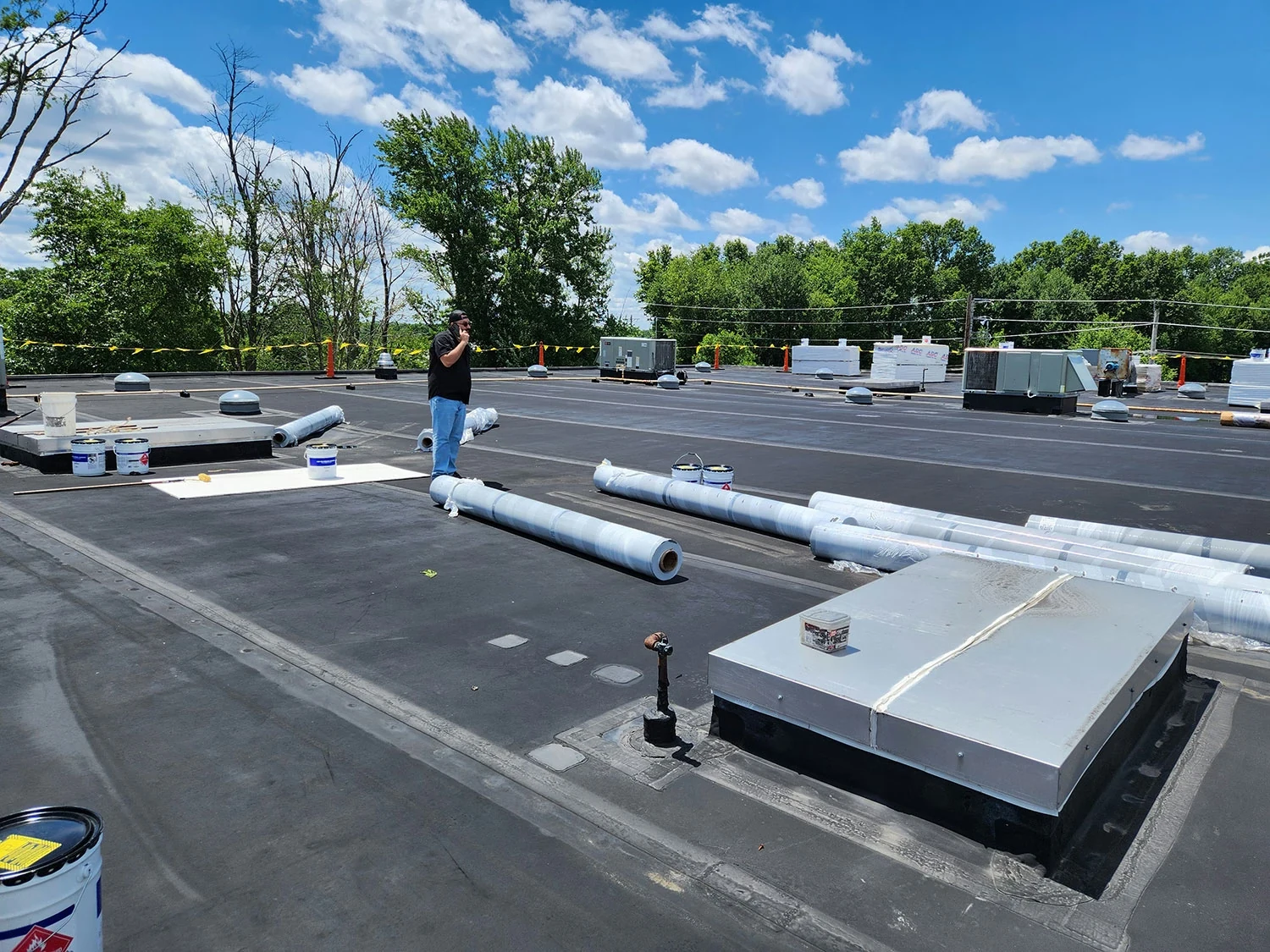
Most of these buildings get mechanically fastened membrane rather than fully adhered, partly for cost on this much square footage and partly because a mechanically attached system handles deck movement and uplift differently than an adhered one. We run fastening patterns tighter at the field-to-perimeter and perimeter-to-corner transitions, since that's where the wind-uplift math changes the most on a low-slope roof this size.
Recover Versus Tear-Off on an Existing Cross-Dock Roof
A lot of the older warehouse stock built during Laredo's earlier trade-boom construction years is now old enough that owners are weighing a recover against a full tear-off. Where the existing deck and insulation are dry and sound, an 80-mil recover over the old membrane can be a legitimate option that saves real money over tear-off, provided the existing roof passes a proper moisture survey first. Where the insulation has taken on water over the years - which happens more than owners expect on a roof with a long history of minor leaks - recover just traps that moisture under a new membrane, and we won't recommend it in that condition regardless of the cost savings.
- Deck attachment verified before insulation goes down, not assumed from drawings
- Insulation board layout staggered to avoid long continuous joint lines
- Membrane fastening density increased at corner and perimeter zones
- Expansion joint placement mapped to the building's actual structural joints
- Every rooftop curb and penetration flashed and photographed individually
- Final walk with the property manager before the crew demobilizes
Customs-Bonded Facilities and Access Logistics
A number of the warehouses in the World Trade Bridge feeder network operate as customs-bonded facilities, which changes how a roofing crew gets on and off the property. Bonded-warehouse access rules mean scheduling around security requirements, coordinating badge and escort logistics with the tenant, and sometimes working around freight schedules that don't pause for a roof project. We build that coordination into the schedule from the first site visit rather than discovering it the morning the crew shows up with a crane.
None of that changes the roofing work itself, but it changes how long a project takes from contract signing to final walk, and we tell owners that timeline honestly up front rather than quoting a schedule that assumes unrestricted access.
What Owners Ask About 80-Mil TPO
Is 80-mil TPO worth the extra cost over 60-mil on a warehouse this size?
On buildings with real rooftop traffic and long service-life expectations, yes. The cost difference per square foot is modest compared to the cost of a premature membrane replacement on a roof this large.
How does 80-mil TPO handle ponding water on a flat cross-dock roof?
The membrane itself resists standing water fine; the actual risk is deck slope and drainage design, not membrane thickness. We evaluate drainage separately from membrane selection and flag any low spots before they become a chronic ponding problem.
Do you mechanically fasten or fully adhere on these roofs?
Mechanically fastened is our default on large cross-dock decks for the cost and movement reasons described above, though we'll spec fully adhered where wind zone or insurance requirements call for it.
How do you handle a customs-bonded warehouse's access restrictions?
We coordinate badge, escort, and freight-schedule logistics with the tenant and property manager before mobilizing, and we build that lead time into the proposed schedule so there are no surprises once the crew is on-site.
What documentation do you provide for insurance purposes on a job this size?
Full photo documentation of deck condition, fastening patterns, seam probe results, and flashing detail, organized by roof zone, so a future wind or hail claim has a clear installation record behind it.